
Menu Menu
Private Scar Treatment

Private Scar Treatment

  • No waiting lists
  • Consultant-led dermatology care
  • No GP referral needed
  • Personalised scar assessment and treatment

What types of scars can we assess?

Our dermatology specialists can assess a wide range of scars, including:

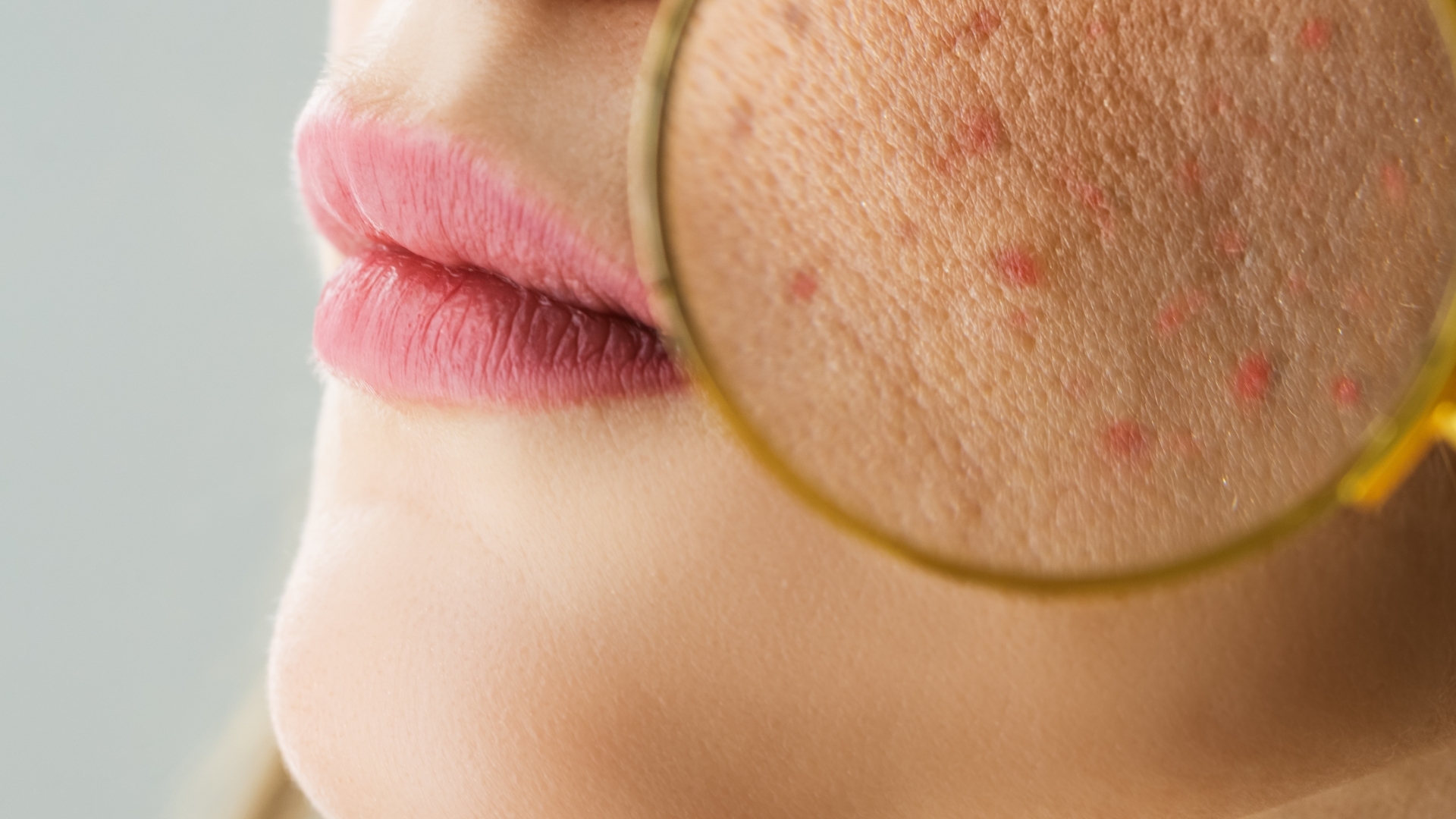
Acne scars

Acne can sometimes leave permanent changes in the texture of the skin. Acne scars may appear as small deep pits, wider depressions or uneven areas of skin.

Different types of acne scars often require different treatment approaches.

Keloid scars

Keloid scars are raised scars that grow beyond the original area of skin injury. They may develop following surgery, acne, burns, cuts or piercings.

Keloids can sometimes feel itchy, painful or uncomfortable.

Hypertrophic scars

Hypertrophic scars are raised and firm but usually remain within the boundaries of the original injury.

They may gradually flatten over time, although treatment may be considered if the scar remains uncomfortable or noticeable.

Atrophic or Sunken scars

Atrophic scars appear depressed or sunken into the skin. They are commonly associated with acne or chickenpox.

Surgical and Injury scars

Scars can develop following surgery, cuts or other injuries to the skin. The appearance of the scar can depend on the location of the injury, the healing process and individual skin characteristics.

Scar treatment options

There is no single treatment that is suitable for every scar.

Treatment will depend on the type, location and age of the scar, as well as your skin type and individual treatment goals.

Depending on your assessment, your dermatologist may discuss treatment options such as:

Steroid Injections

Corticosteroid injections may be recommended for some raised or keloid scars.

The medication is injected directly into the scar and may help to flatten and soften the scar while reducing symptoms such as itching or discomfort.

More than one treatment session may be required.

Silicone-Based Scar Treatment

Silicone gels or dressings may be recommended for certain scars, particularly raised scars.

Your dermatologist can advise whether silicone treatment is appropriate and explain how it should be used.

Cryotherapy

Cryotherapy involves freezing scar tissue and may be considered for selected raised or keloid scars.

It may sometimes be used alongside other scar treatments.

Laser and Procedural Treatments

Certain scars may benefit from laser or other procedural treatments designed to improve scar colour, texture or appearance.

The suitability of these treatments depends on the type of scar and your individual skin characteristics.

Acne Scar Treatment

Acne scarring can be complex and patients may have more than one type of scar.

Following a detailed assessment, your dermatologist may recommend a personalised treatment approach based on the depth, pattern and type of acne scarring.

Controlling active acne may also be an important part of preventing further scarring.

Dermabrassion

Dermabrasion mechanically removes the outer layers of skin to help smooth uneven texture and blend the edges of a scar with the surrounding skin.

Platelet-Rich Plasma (PRP)

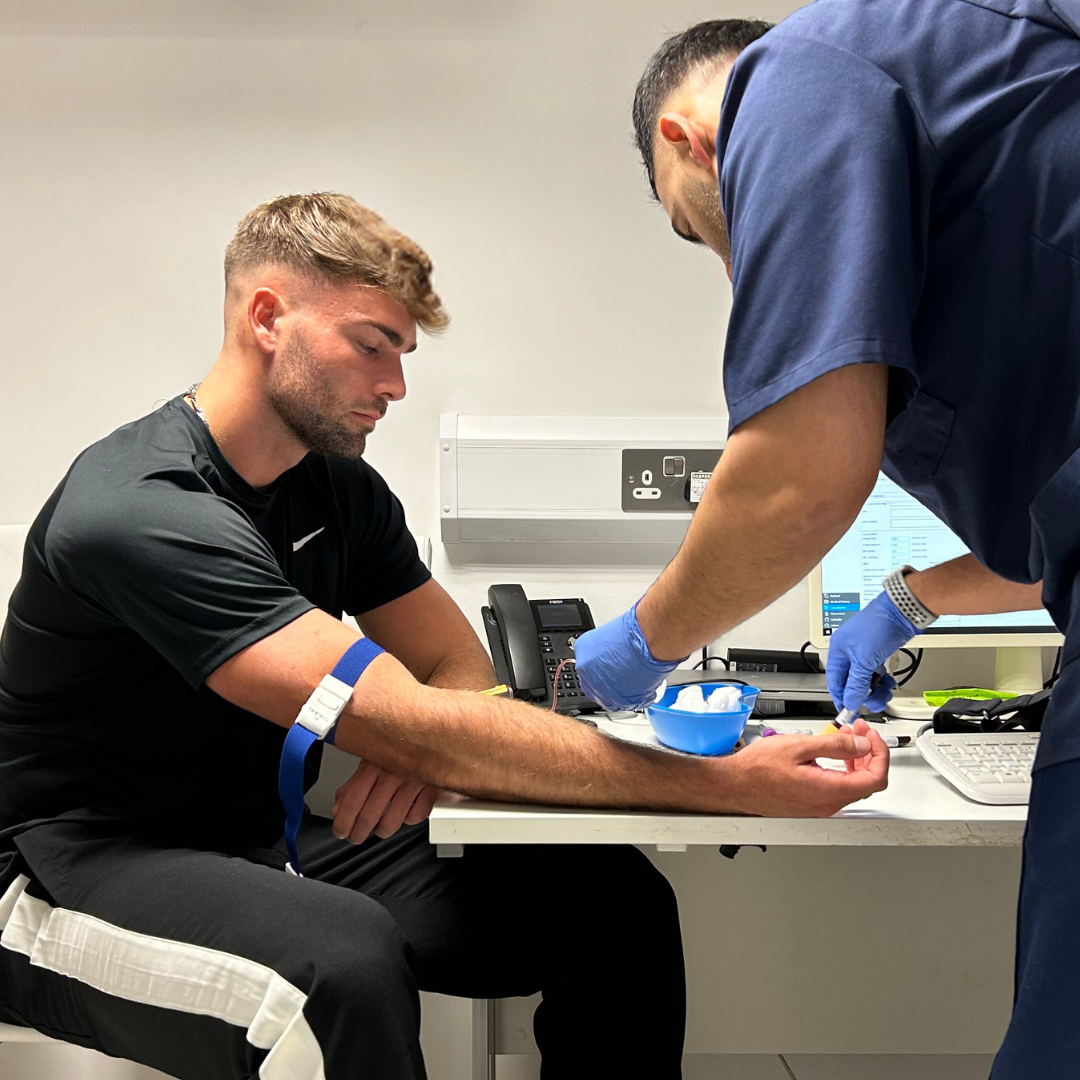
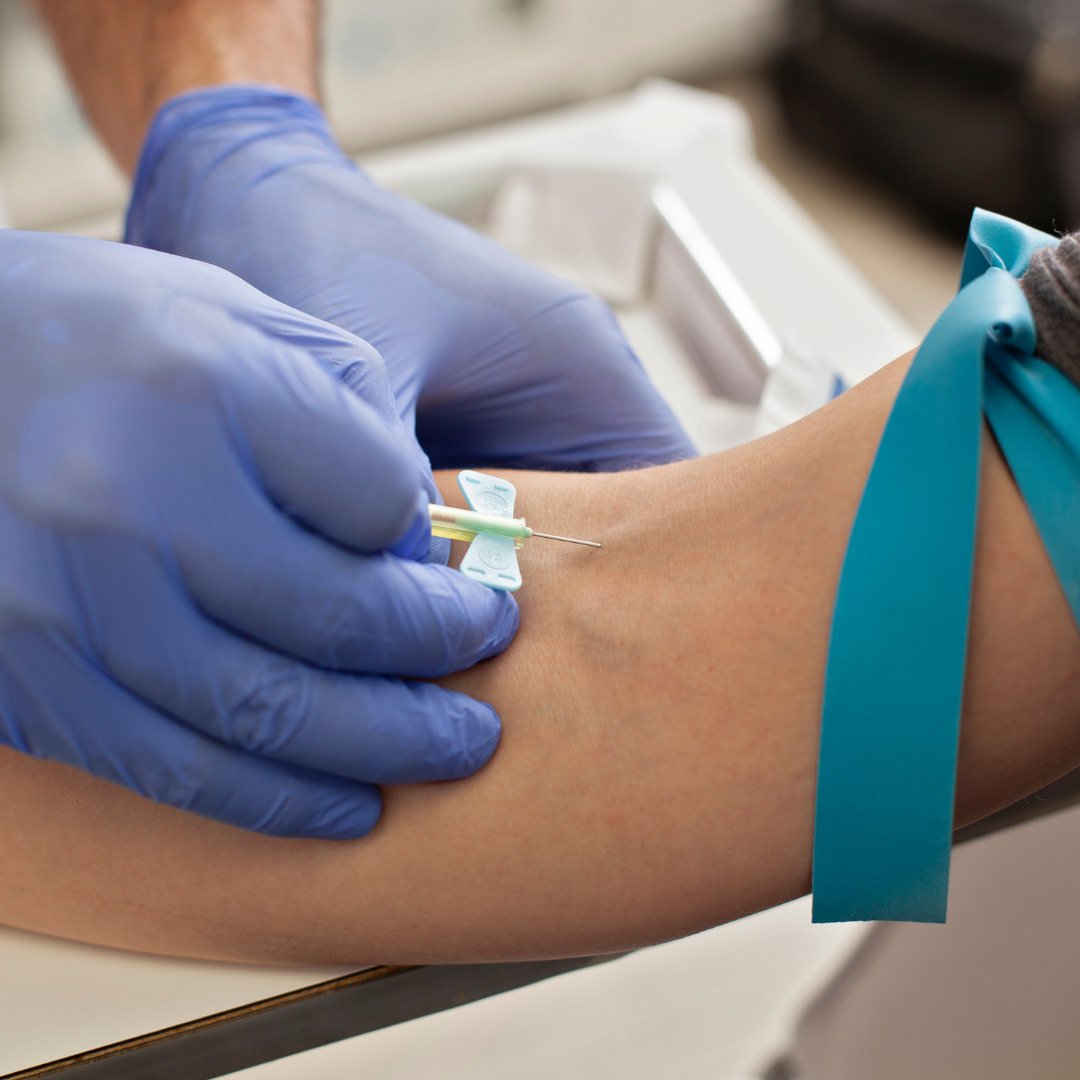
PRP uses a concentration of your own platelets, taken from a small blood sample, which may be injected into the scar to support the skin's natural repair process.

5-Fluorouracil (5-FU) Injections

5-FU may be injected into certain raised or keloid scars, sometimes alongside steroid treatment, to help reduce excess scar tissue.

Nanofat Transfer

Nanofat involves processing a small amount of the patient's own fat into a fine, injectable form, which may be used to help improve the texture, volume and quality of the skin around a scar.

Not every treatment is suitable for every scar or every patient. Your dermatologist will assess your scar and skin type in detail before recommending which of these options, if any, may be appropriate for you.

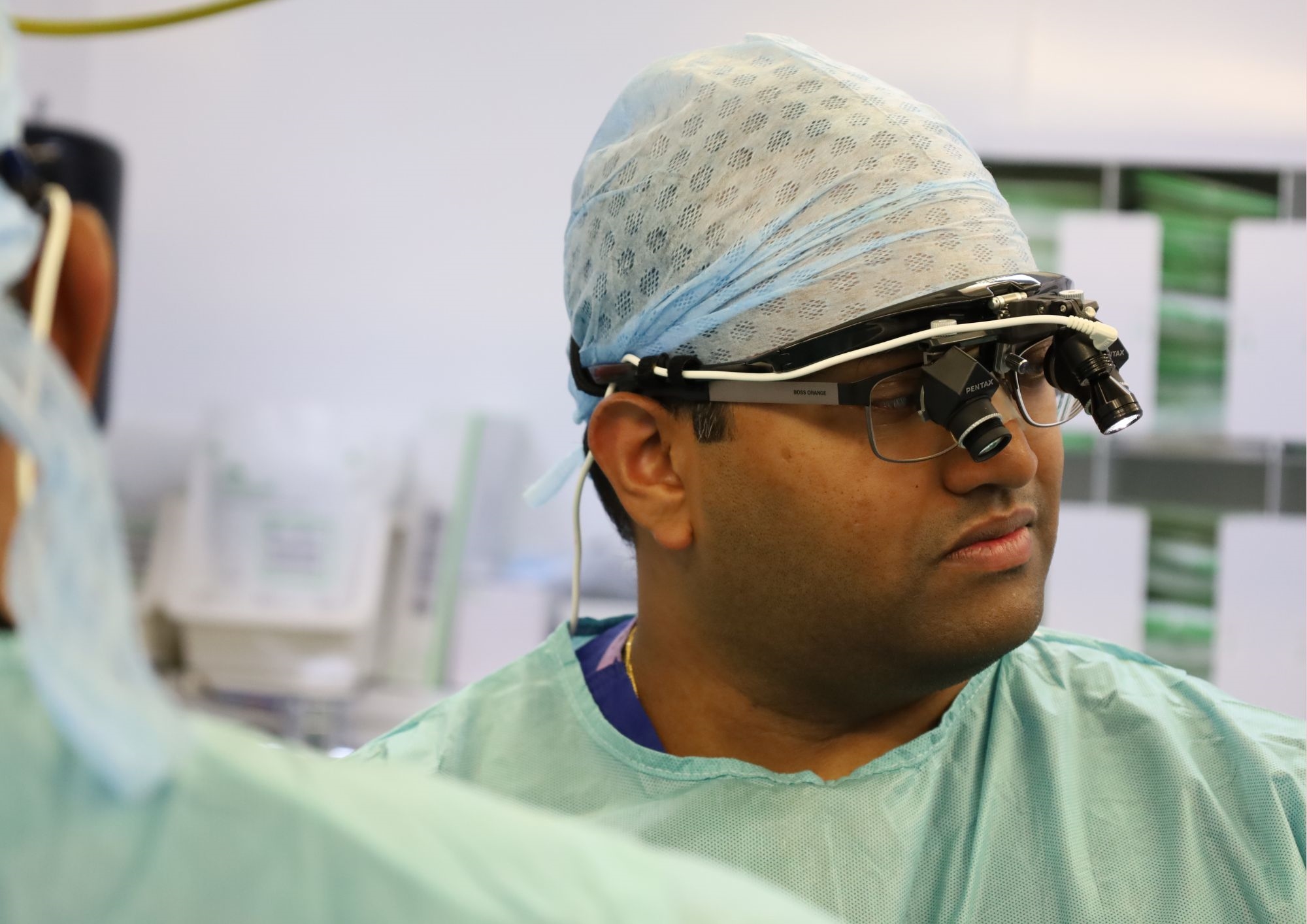
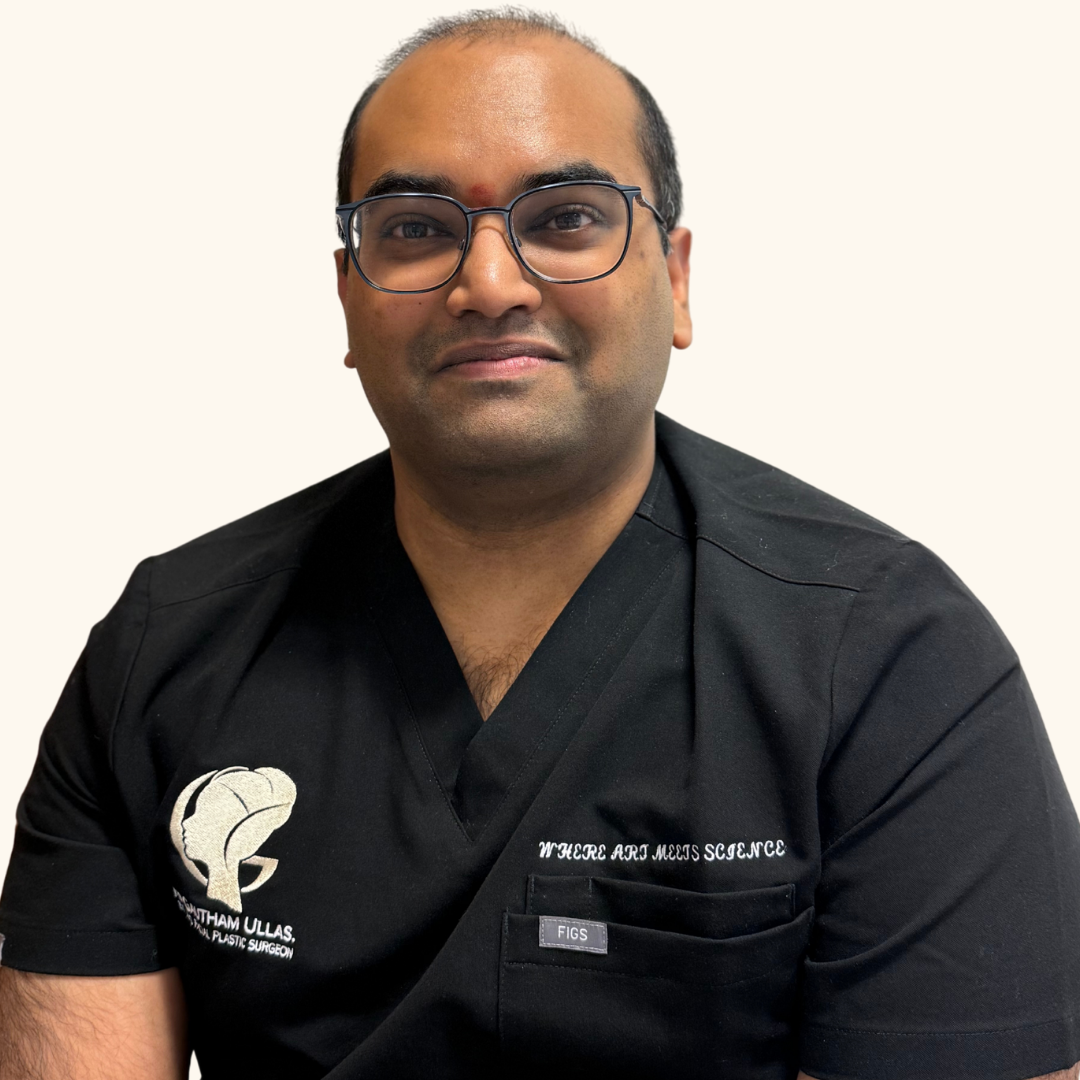
Gautham Ullas Consultant Plastic Surgeon Pall Mall

Scar Reduction Surgery

For some scars, particularly those that are wide, raised, tethered or run against the natural lines of the skin, surgical revision may offer better results than non-surgical treatment alone.

Scar revision surgery does not remove a scar entirely, but aims to reposition, reshape or realign it so that it sits more naturally within the skin and is less noticeable over time. Your dermatologist or surgeon will assess whether you are a suitable candidate and explain which technique is likely to give the best outcome for your particular scar.

Surgical revision techniques we may discuss include:

Z-Plasty

Z-plasty involves making a Z-shaped incision around the scar to reposition it at a more favourable angle to the surrounding skin. This technique is often used to release tight or contracted scars, particularly those crossing joints or skin creases, and can help improve movement as well as appearance.


W-Plasty

W-plasty breaks up a straight scar into a series of small, interlocking zig-zag segments. This can help the scar blend more naturally with the surrounding skin texture and disguise it along a less obvious, irregular line.

M-Plasty

M-plasty is a variation of Z-plasty used to shorten the ends of a scar or wound closure, helping to minimise the length of the final scar while maintaining tension release. It is often used at the tips of larger revisions or where space is limited.

Geometric Broken Line Repair (GBLR)

Geometric broken line repair uses a series of irregular geometric shapes, such as triangles, squares and semi-circles, along the length of the scar. Breaking up the straight edge in this way can make the scar considerably less obvious, as the eye is naturally drawn to straight lines.

How Much Does a Private Scar Consultation Cost?

In-Depth Consultation

  • Full assessment of your scar and skin
  • Review of your medical history and previous treatments
  • Identification of your scar type
  • Personalised treatment recommendations
  • Further diagnostic investigation if clinically required

3 x £84 interest free payments with

£250 Book a Consultation

Scar Follow-Up Consultation

  • Review of how your scar is responding to treatment
  • Adjustment of your personalised treatment plan where required
  • Ongoing specialist advice and scar management

3 x interest free payments with

Book a Consultation

In-Depth Consultation

3 x £84 interest free payments with

£250
  • Full assessment of your scar and skin
  • Review of your medical history and previous treatments
  • Identification of your scar type
  • Personalised treatment recommendations
  • Further diagnostic investigation if clinically required

Scar Follow-Up Consultation

3 x interest free payments with

  • Review of how your scar is responding to treatment
  • Adjustment of your personalised treatment plan where required
  • Ongoing specialist advice and scar management

Meet our Consultant Dermatologists & Surgical Specialists

Because different scars require different treatment approaches, your specialist will carefully assess your skin before recommending treatment - whether that's a non-surgical option with one of our dermatologists, or surgical scar revision with one of our specialist surgeons.

Our aim is to provide clear, personalised advice and help you understand the treatment options that may be suitable for your scar.

Pall Mall Fallback Image

Dr Tim Clayton

Consultant Dermatologist
Dermatology
Manchester City Centre
Find out more
Pall Mall Fallback Image

Dr. Lucy Stewart

Consultant Dermatologist
Newton-le-Willows
Find out more
Pall Mall Fallback Image

Dr Raman Bhutani

Consultant Dermatologist
Dermatology
Newton-le-Willows
Find out more
Pall Mall Fallback Image

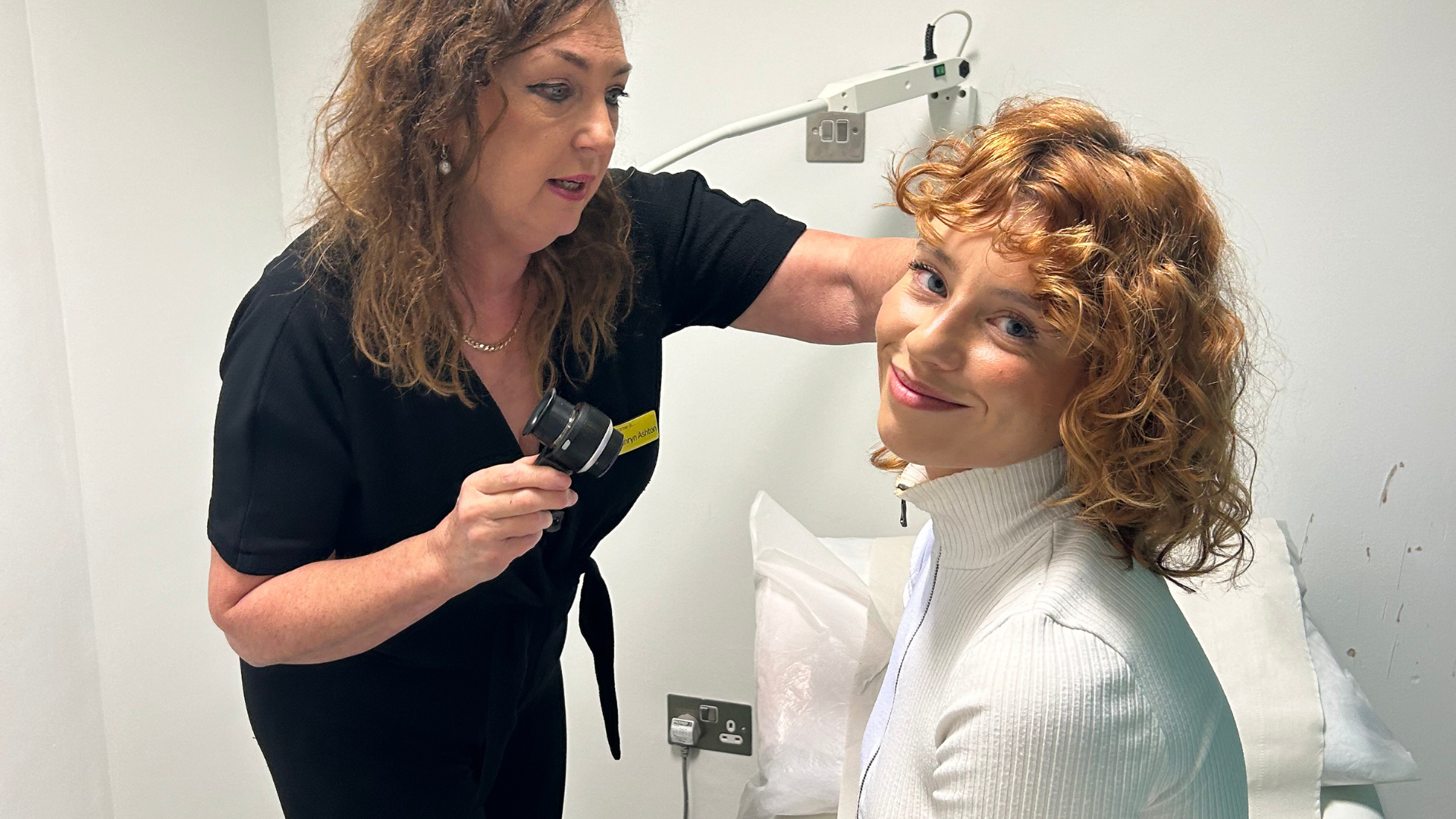
Dr Kathryn Ashton

Associate Specialist
Manchester City Centre
Find out more
Pall Mall Fallback Image

Mr Gautham Ullas

ENT & Facial Plastic specialist
Cosmetic Surgery
Find out more
Pall Mall Fallback Image

Mr Janak Bechar

Over 12 years experience
Cosmetic Surgery
Find out more
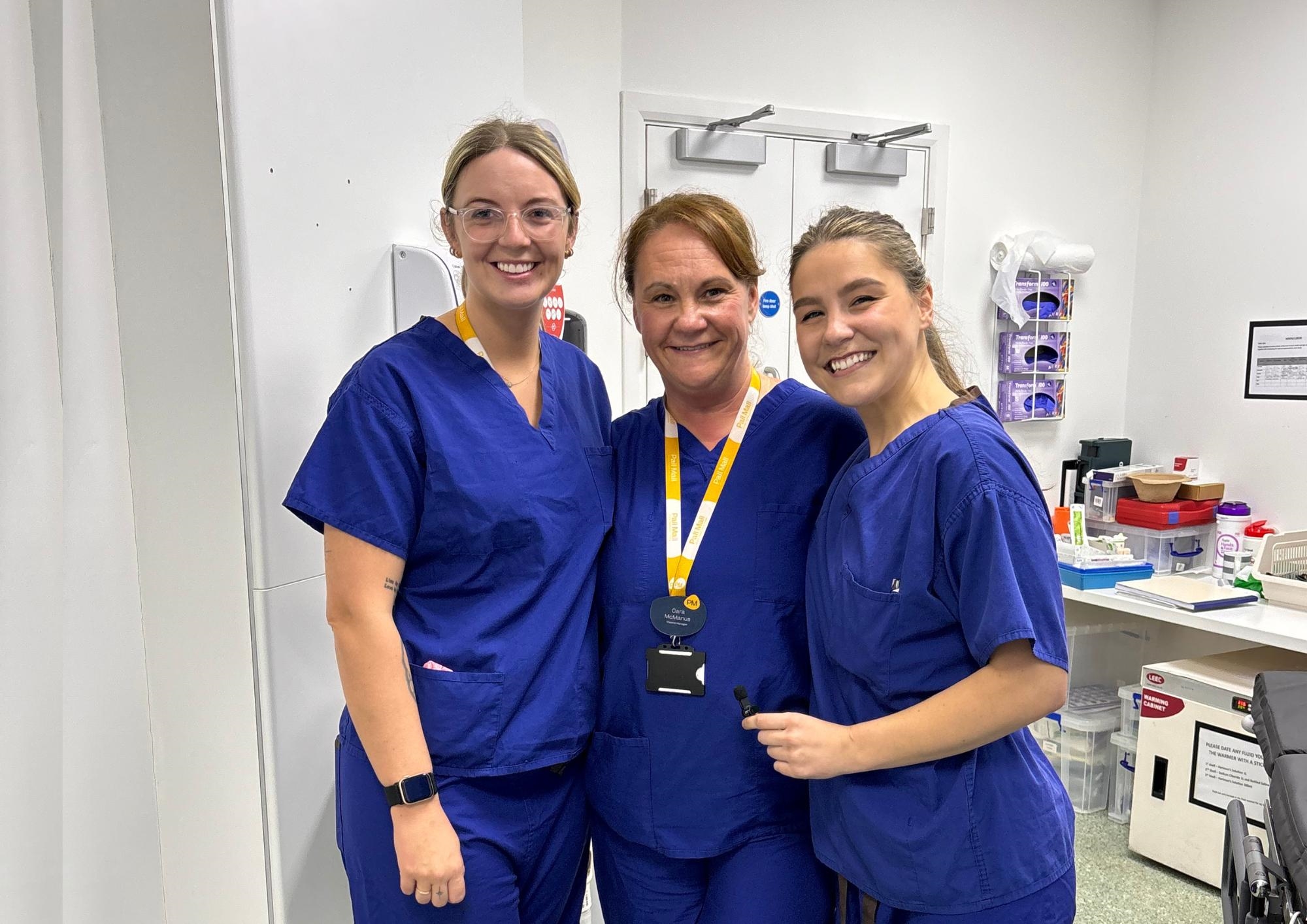
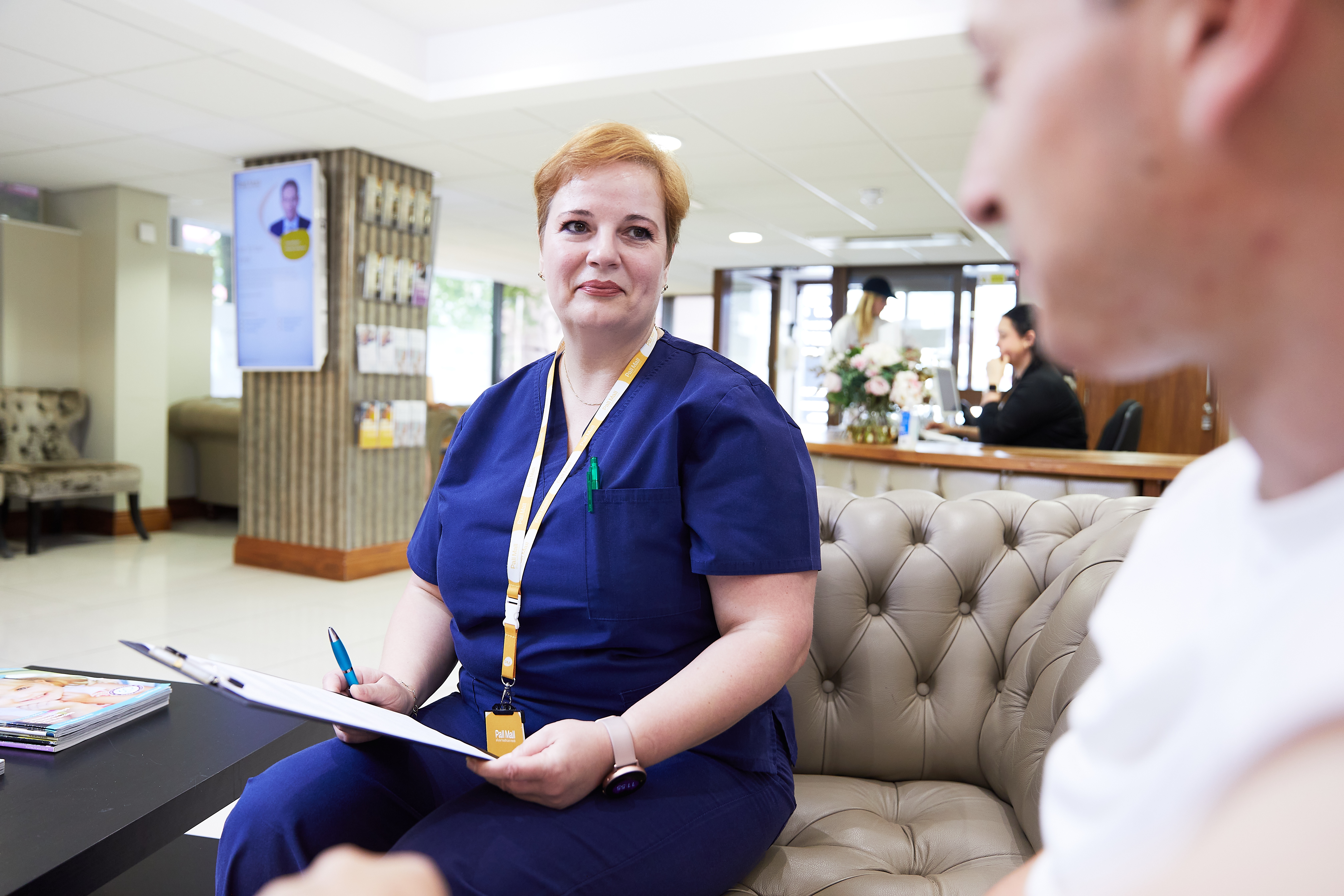
Pall Mall Nurses at Newton-le-Willows

Why choose Pall Mall for specialist scar reduction treatment?

We put our patients at the centre of their care.

From your initial consultation through to treatment and follow-up, our dermatology specialists provide a personalised approach based on your skin, your scar and your individual concerns.

  • Consultant-led dermatology care
  • No waiting lists
  • No GP referral required
  • Personalised treatment plans

Delivering 5 star services to patients every year.

This is why our patients rate us Excellent on Trustpilot.

Frequently Asked Questions.

What is a scar?

A scar is an area of tissue that develops as the skin heals following an injury or inflammation. Scars can vary in colour, texture and appearance depending on the type of injury and the way the skin heals.

Can a dermatologist treat scars?

Yes. A dermatologist can assess the type of scar you have and discuss treatment options that may help improve its appearance or reduce symptoms such as itching and discomfort.

What is the best treatment for scars?

The most appropriate treatment depends on the type of scar.

Raised scars, keloids and acne scars may require very different treatment approaches. A dermatology assessment helps determine which treatment options may be suitable for you.

Can acne scars be treated?

Acne scars can often be improved, although treatment depends on the type and depth of scarring.

Some patients have more than one type of acne scar and may require a combination treatment approach.

What is a keloid scar?

A keloid is a raised scar that grows beyond the boundaries of the original skin injury.

Keloids may develop following cuts, surgery, burns, acne or piercings and can sometimes cause itching or discomfort.

Are steroid injections used for scars?

Steroid injections may be recommended for certain raised or keloid scars.

The treatment is injected directly into the scar and may help flatten and soften the scar. Your dermatologist will assess whether this treatment is appropriate for you.

Can scars be completely removed?

It is not always possible to completely remove a scar.

The aim of treatment is usually to make the scar less noticeable or improve symptoms such as itching, pain or discomfort.

How many scar treatments will I need?

The number of treatments required depends on the type and severity of the scar and the treatment recommended.

Some scars require a course of treatment rather than a single procedure.

Do I need a GP referral for scar treatment?

No. You can book a private dermatology consultation directly without a GP referral.

When should I see a dermatologist about a scar?

You may wish to seek specialist advice if a scar is painful, itchy, raised, continuing to grow, affecting movement or causing concern about its appearance.

A dermatologist can assess the scar and discuss whether treatment may be appropriate.

Enquire About Our Services

A member of our team will be in touch with you to discuss your requirements. 

I agree to receive advice, offers and news by email and SMS in accordance with our privacy policy

Our Blogs

Summer skincare tips for acne-prone skin
Dr Tim Clayton explains the importance of SPF in managing acne and protecting your skin from harmful UV rays. Gain expert insights and advice to keep your skin healthy and blemish-free this summer.
Pall Mall Fallback Image
How to check your moles for skin cancer

May is Skin Cancer Awareness Month! Learn how to perform a self-examination for skin cancer using the ABCDE method.

Pall Mall Fallback Image
A guide to healthy skin

Don’t let your skin knock your confidence. If you are suffering from skin conditions such as acne, rosacea, eczema or psoriasis and are feeling embarrassed, frustrated and unsociable then continue reading this blog to see how we can help!

Pall Mall Fallback Image
Can I see a consultant privately then have treatment on the NHS?

We hear 'can I see a consultant privately then have treatment on NHS?' a lot. This article has everything you need to know. Contact Pall Mall today!

Pall Mall Fallback Image
How much does a private GP appointment cost?

If you're fed up of waiting to see a doctor but are concerned about private GP costs, look no further than Pall Mall. Our prices start from just £50, book now!

Pall Mall Fallback Image
Private GP vs NHS GP appointments

Private GP vs NHS GP appointments: which should you choose? Learn about the benefits of private GPs in this guide. Book your appointment today!

Pall Mall Fallback Image
Do private GPs have access to your medical records?

You might find yourself asking 'can private doctors access my NHS records?' if you are considering a private GP appointment. This blog has the answers.

Pall Mall Fallback Image
How to get a private GP appointment

If you're wondering how to see a private doctor, look no further than Pall Mall. We offer a range of appointments, six days a week - book now!

Pall Mall Fallback Image
In-person and online private GP appointments: How do they differ?

If you’re wondering if seeing an online private GP still offers the same level of care, this article is for you. Our appointments start from £50 - book now!

Pall Mall Fallback Image
Types of blood tests

Find a list of different types of blood tests, from routine checks to specialised health screenings. Book a blood test appointment with Pall Mall today.

Pall Mall Fallback Image
How much does a private blood test cost?

Find out how much a private blood test costs in the UK, the factors that can influence the price of a blood test, and how to book a blood test with Pall Mall.

Pall Mall Fallback Image
How a health screen could save your life

Discover the benefits of regular health screens for preventative health. Learn about Pall Mall Medical and how they can help detect early health risks for proactive well-being.

Pall Mall Fallback Image
What type of GP appointment is most suitable for me?

Struggling to get timely GP appointments with the NHS? Discover the convenience and flexibility of Pall Mall Medical's same and next-day GP appointments. Learn which type of appointment is best suited for your needs in our latest blog.