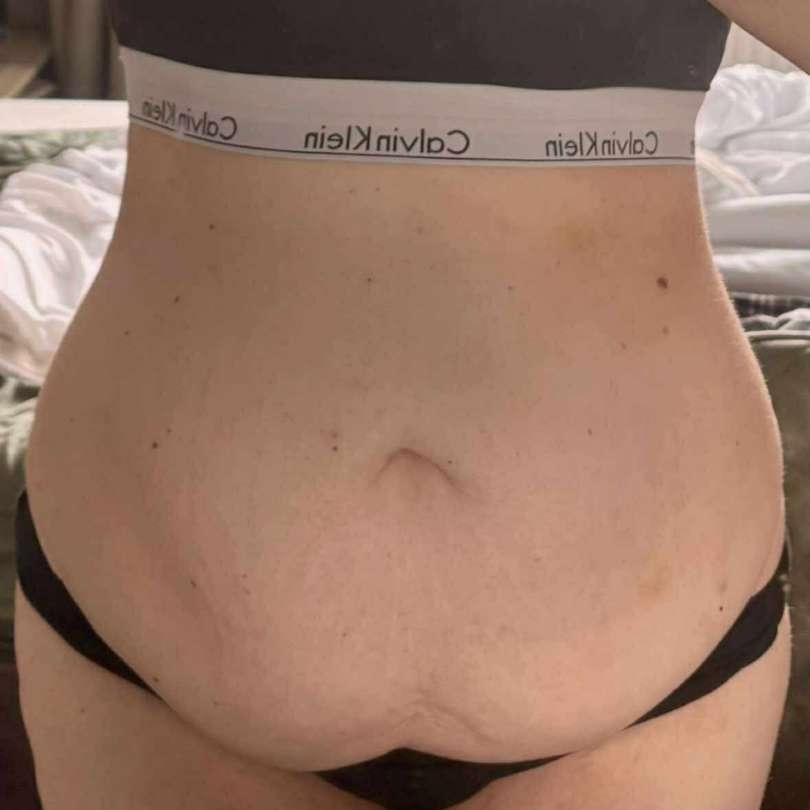
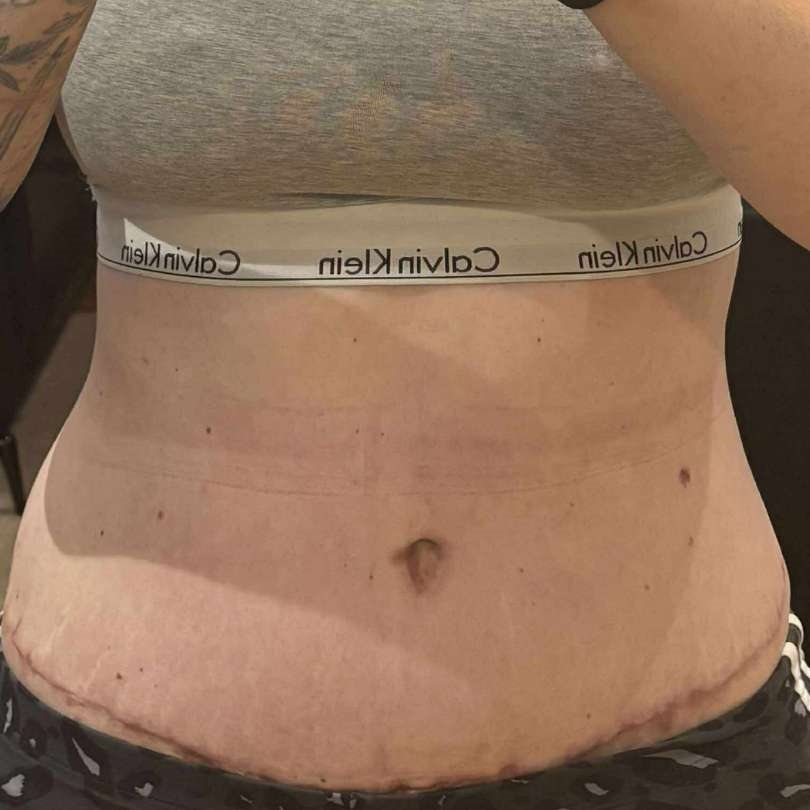
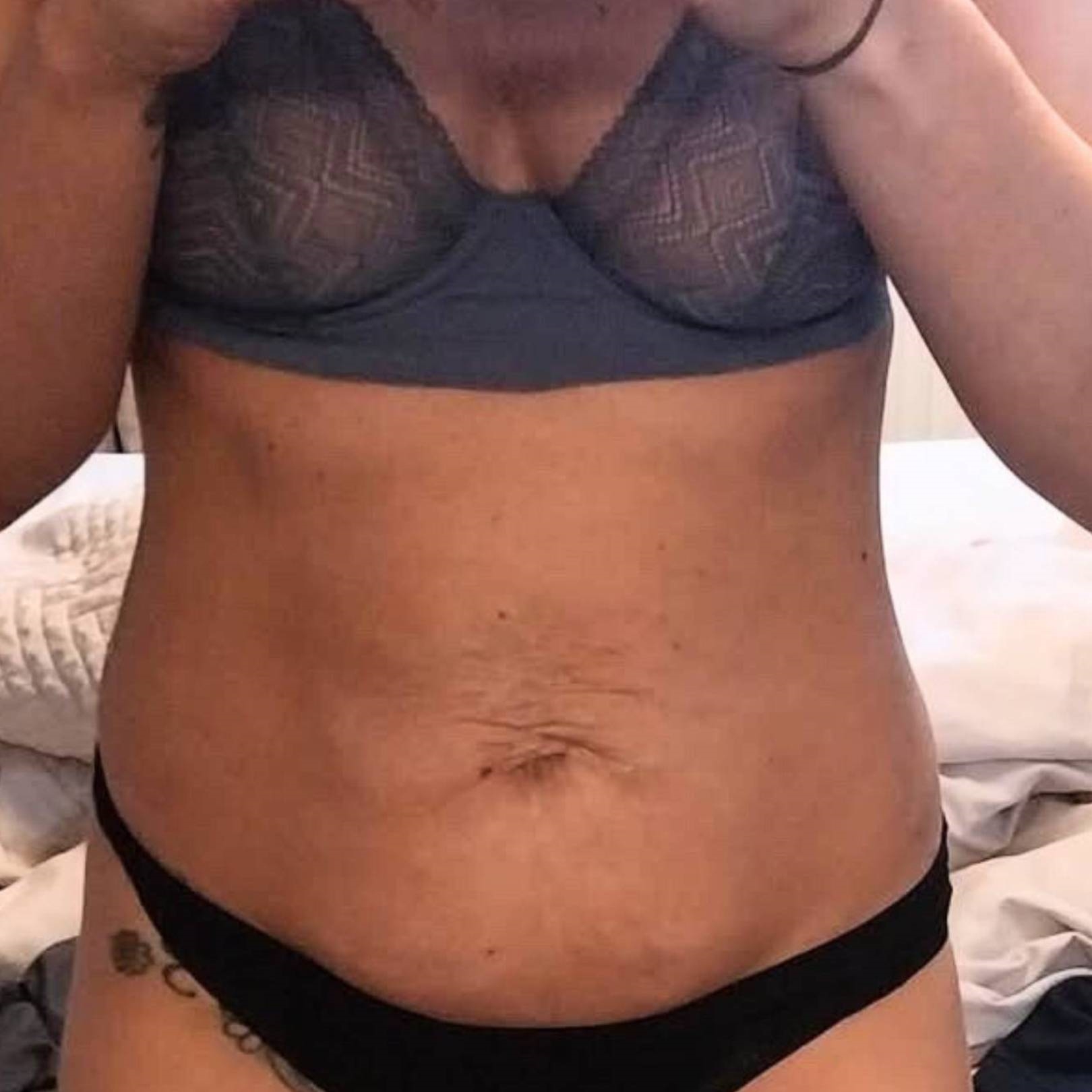
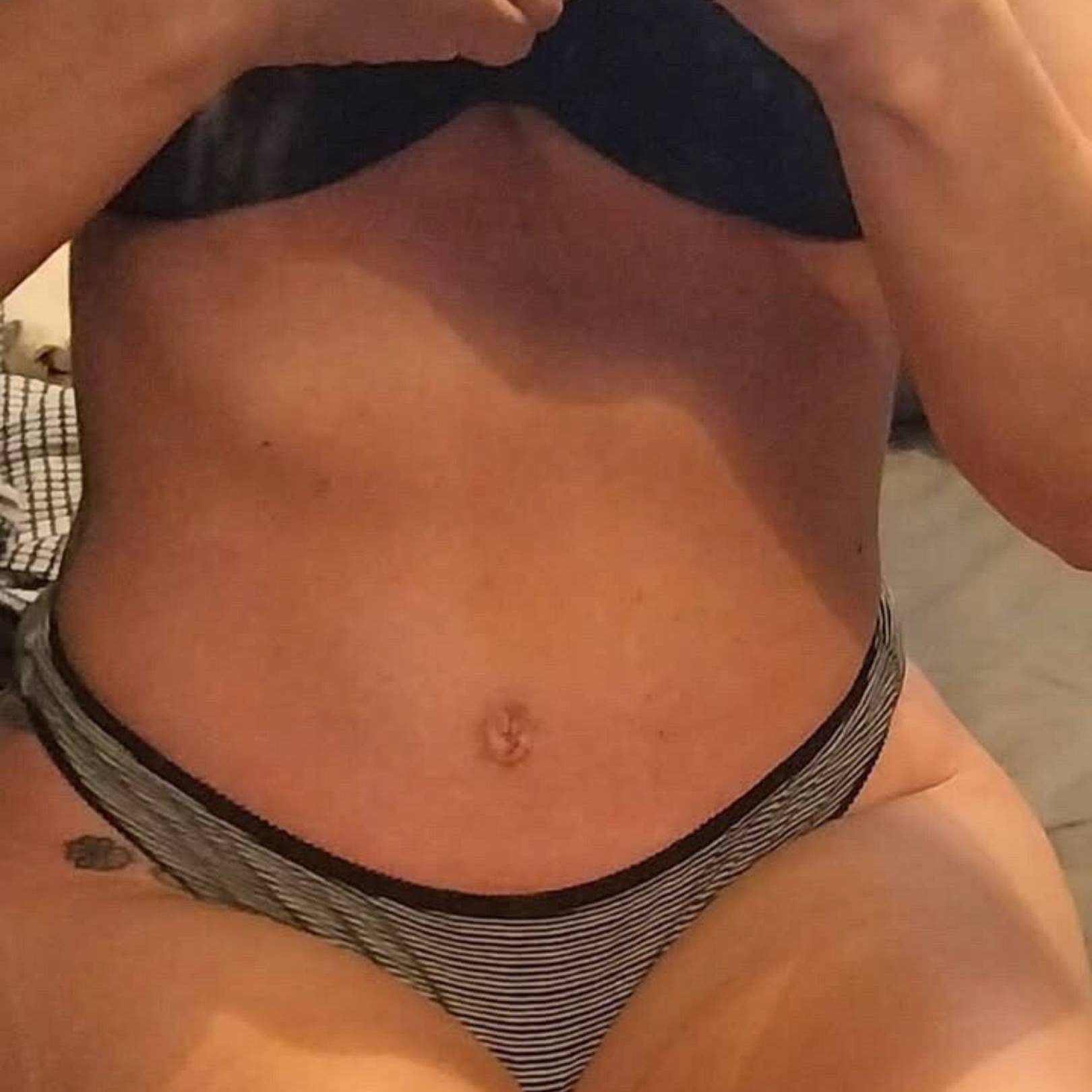
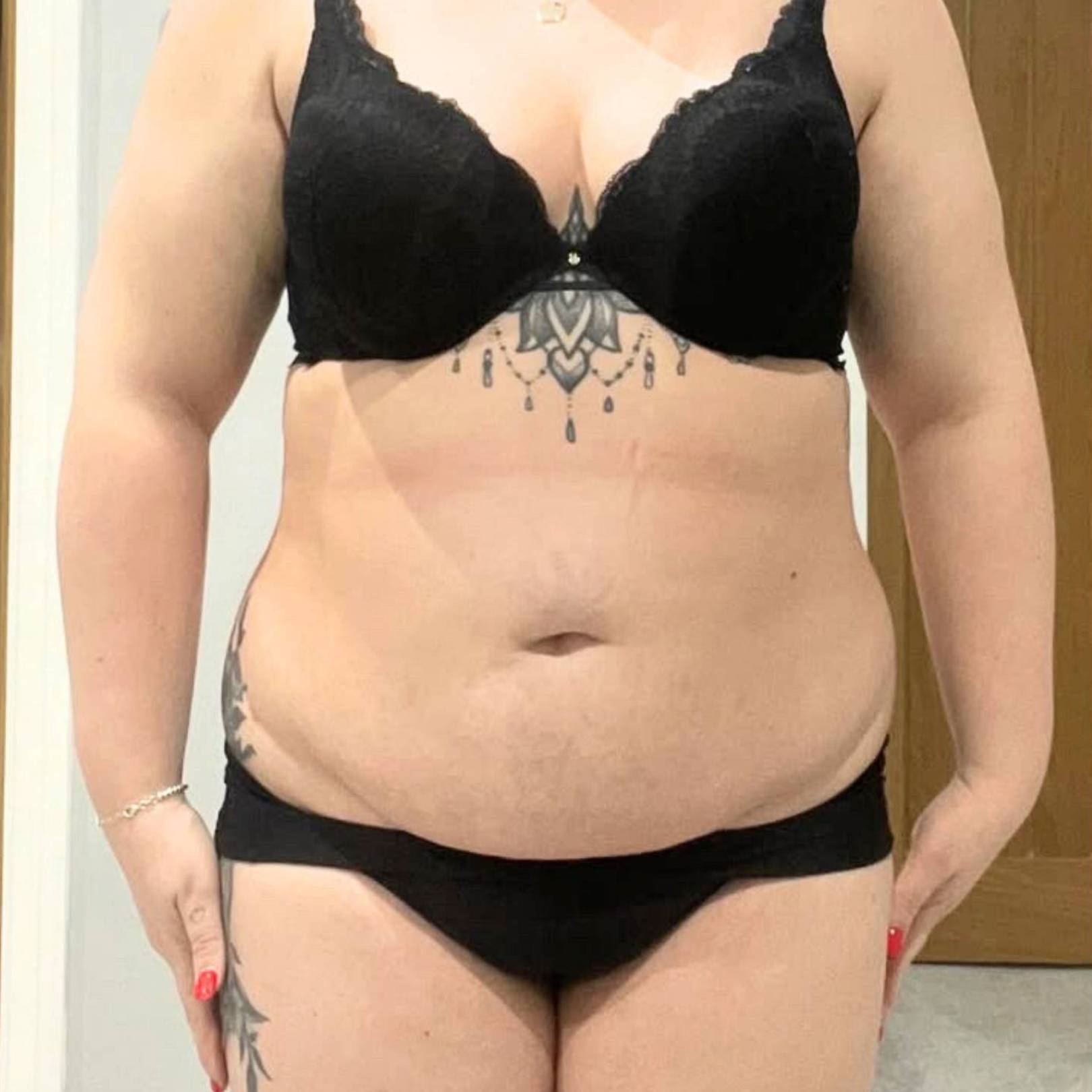
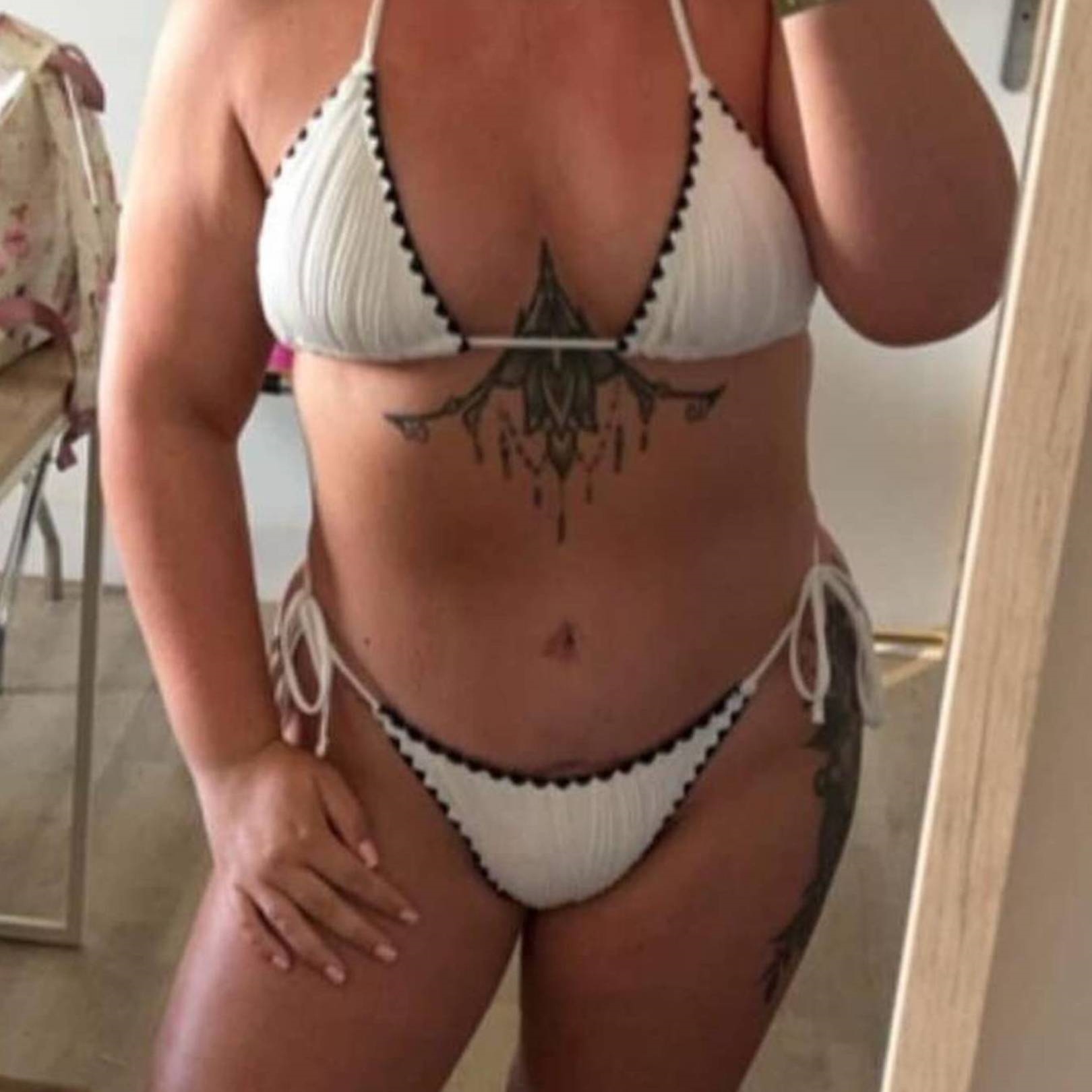
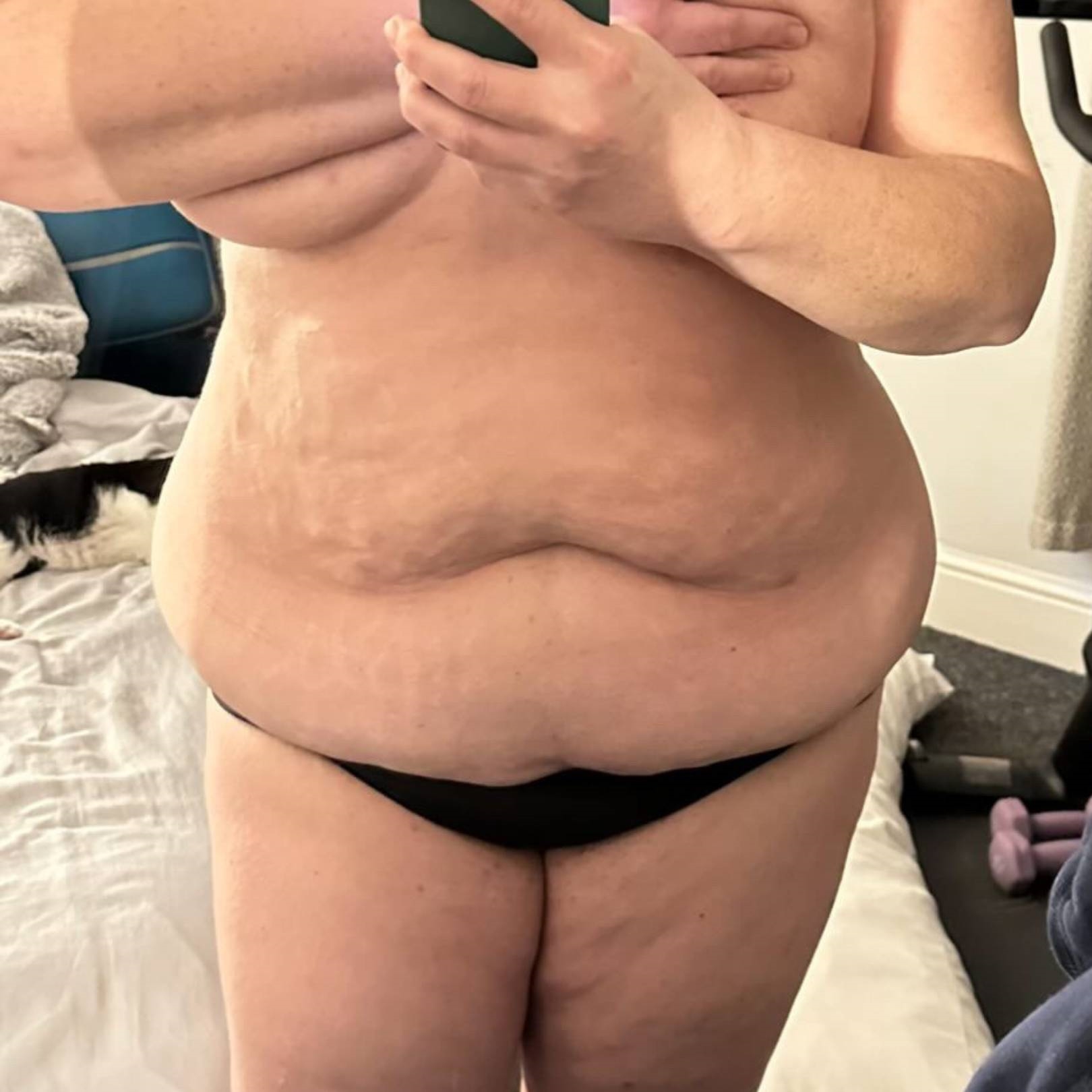
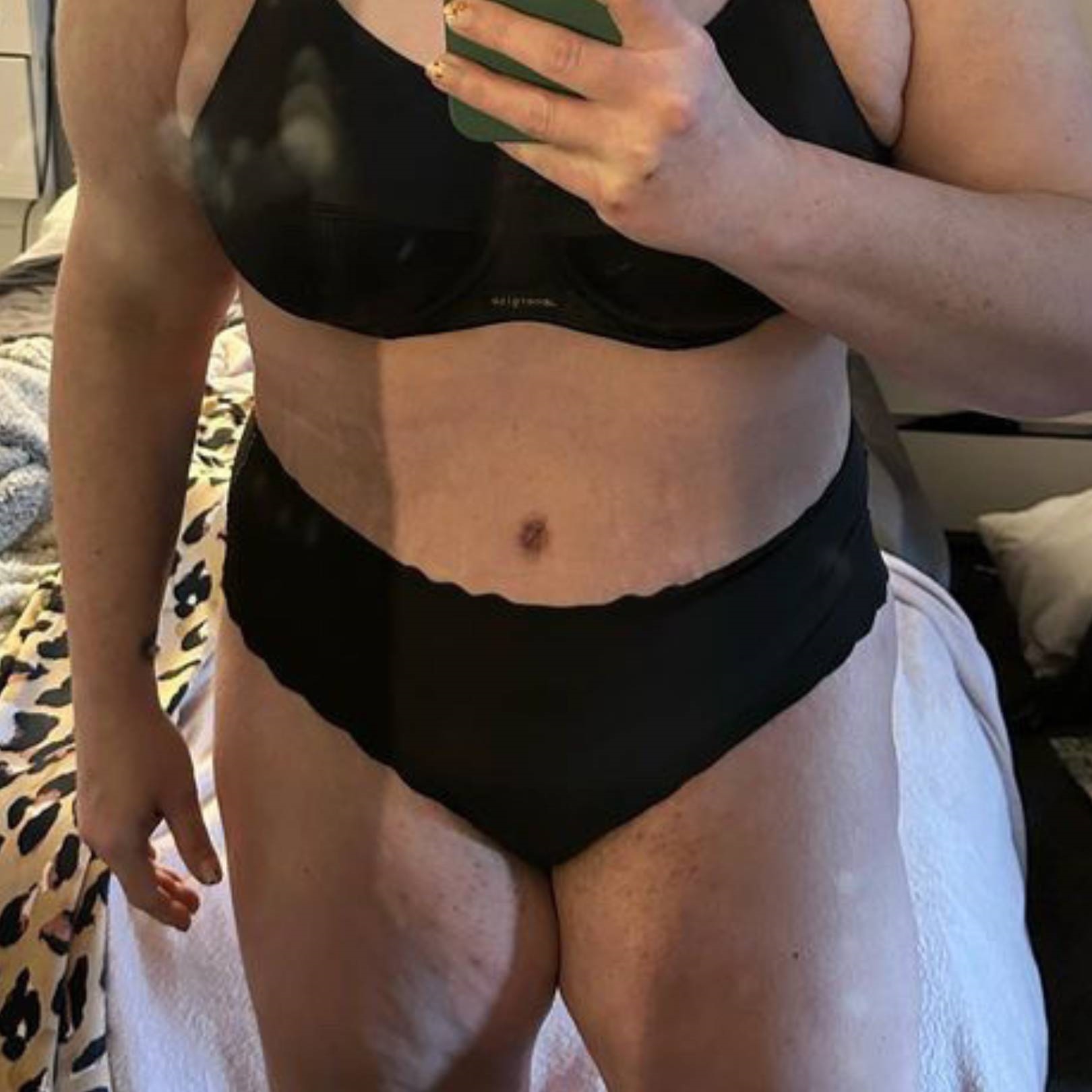
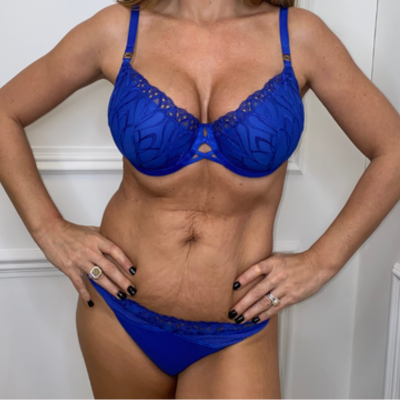
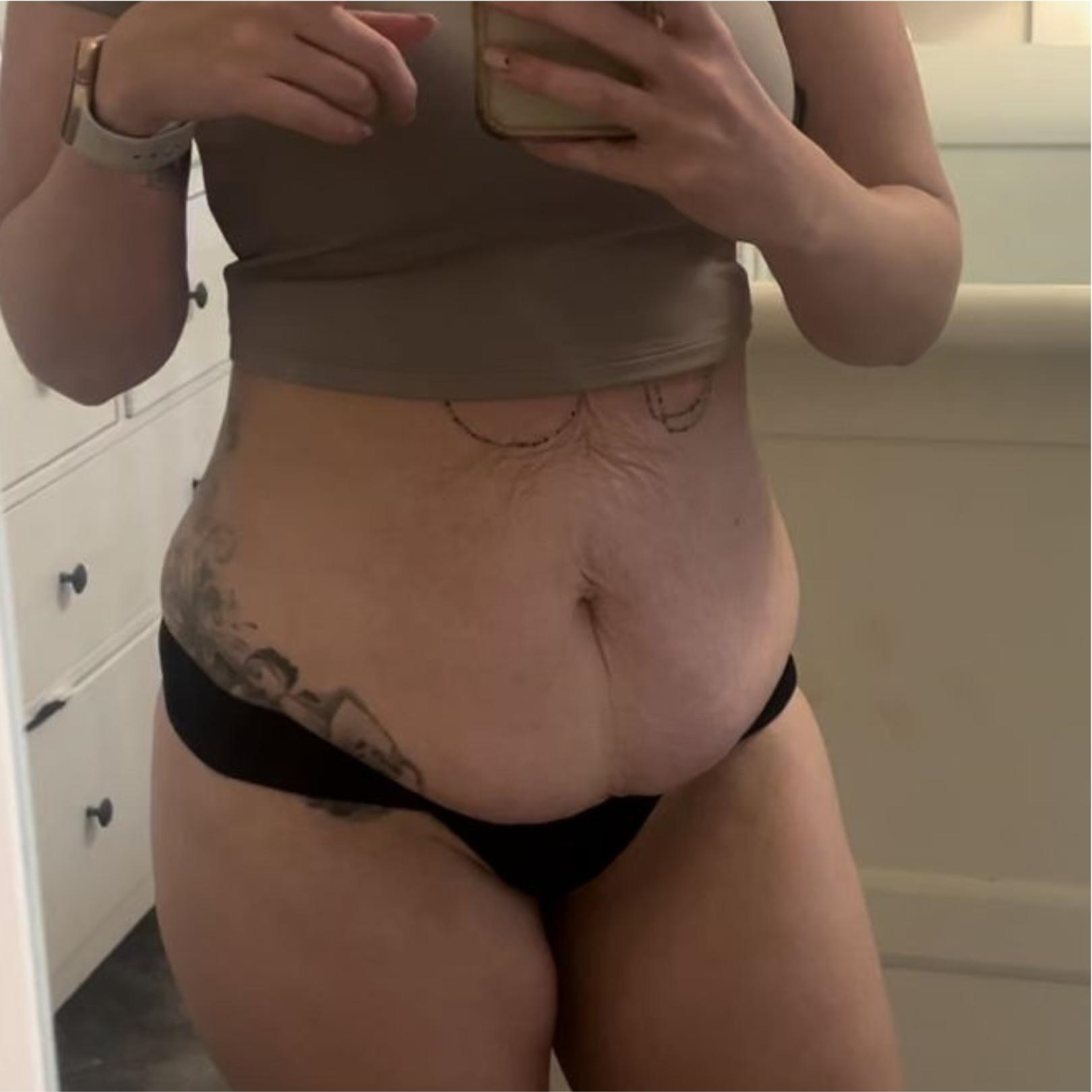
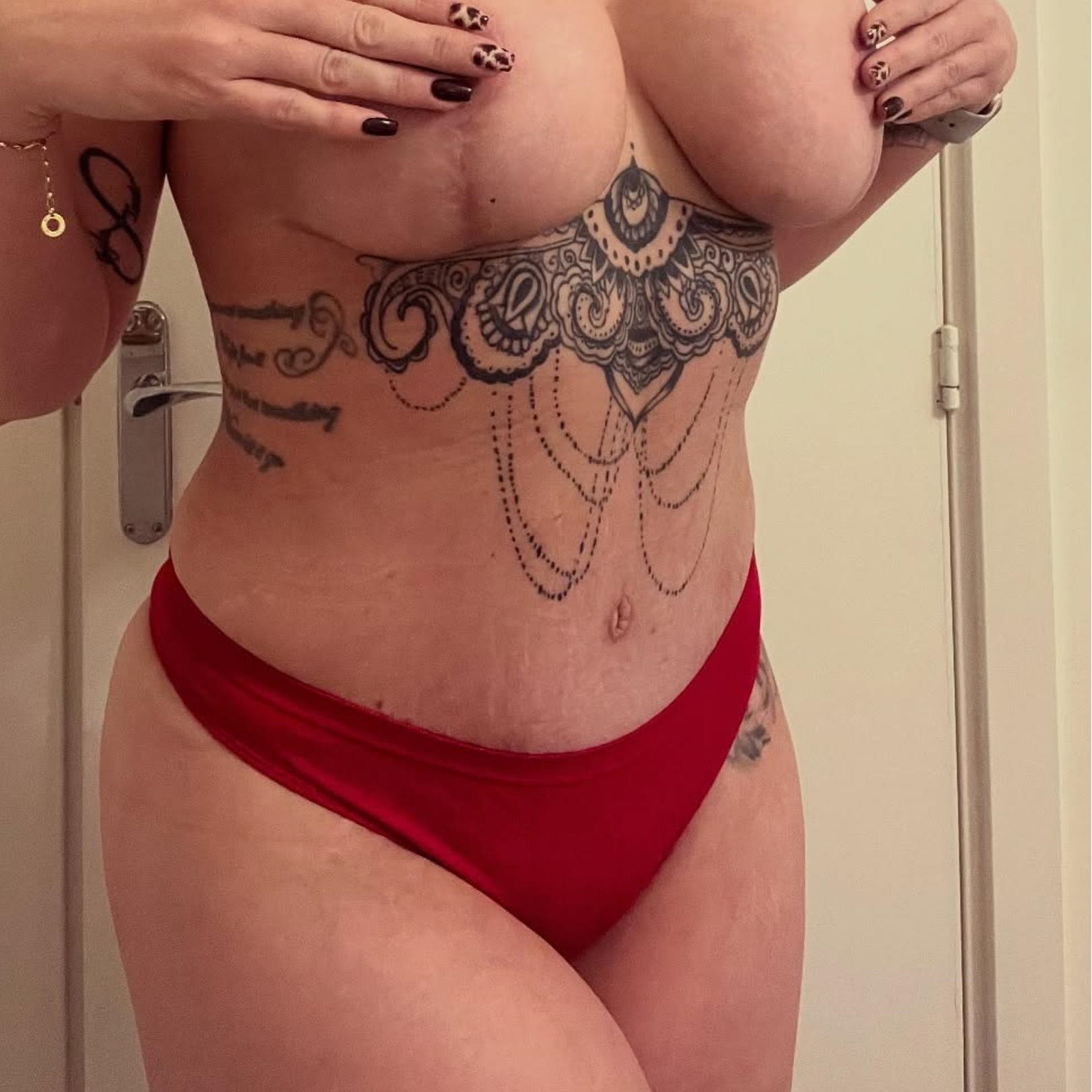
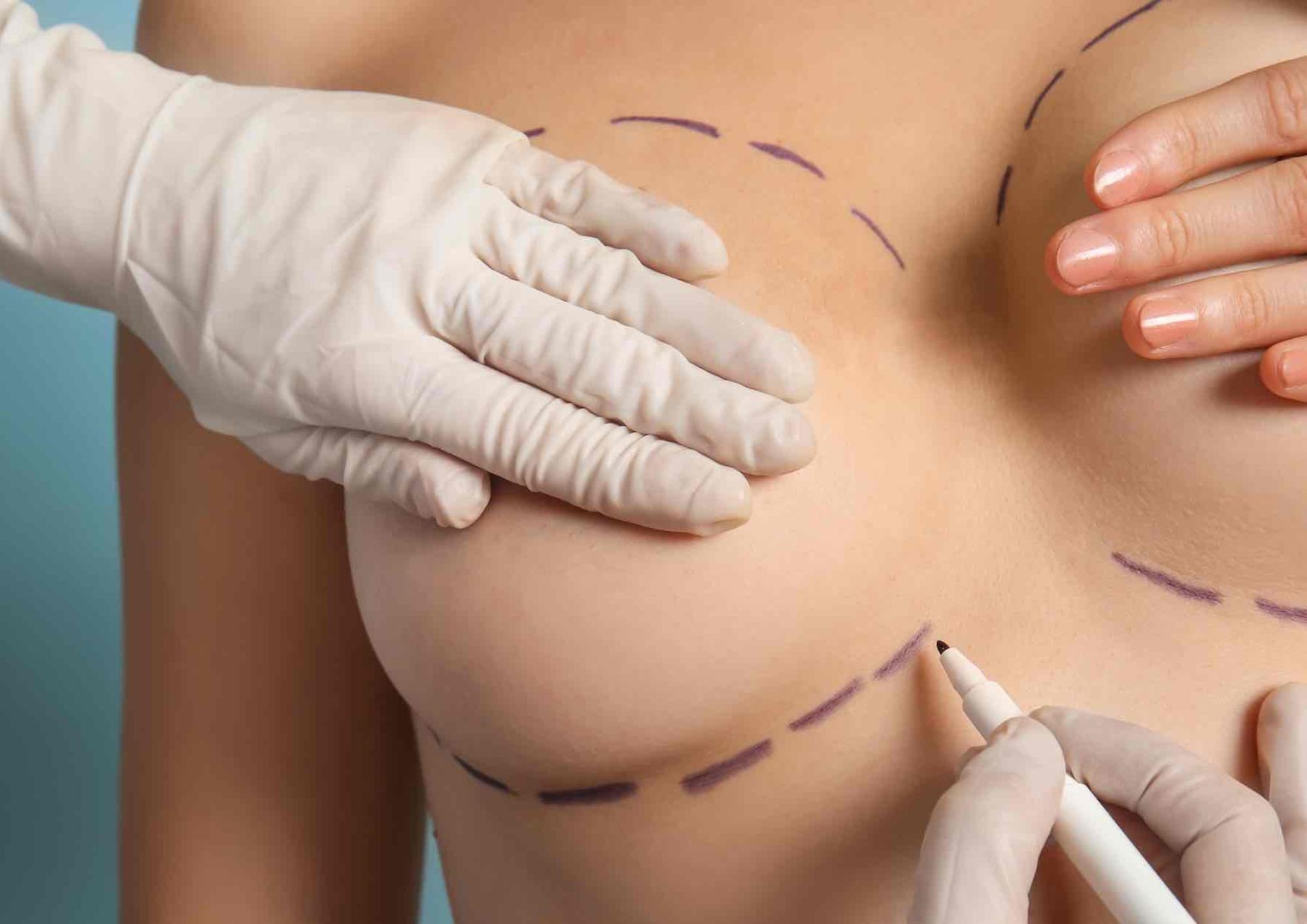
Anaesthetic - Once you’ve checked into our CQC registered hospital in Newton-le-Willows, you’ll be taken into our theatre room. You will meet our expert anaesthetists who will ensure you’re asleep and comfortable during your procedure. Your surgeon will also be present; he will be busy marking lines around the bottom of your torso, in preparation to make his incisions.
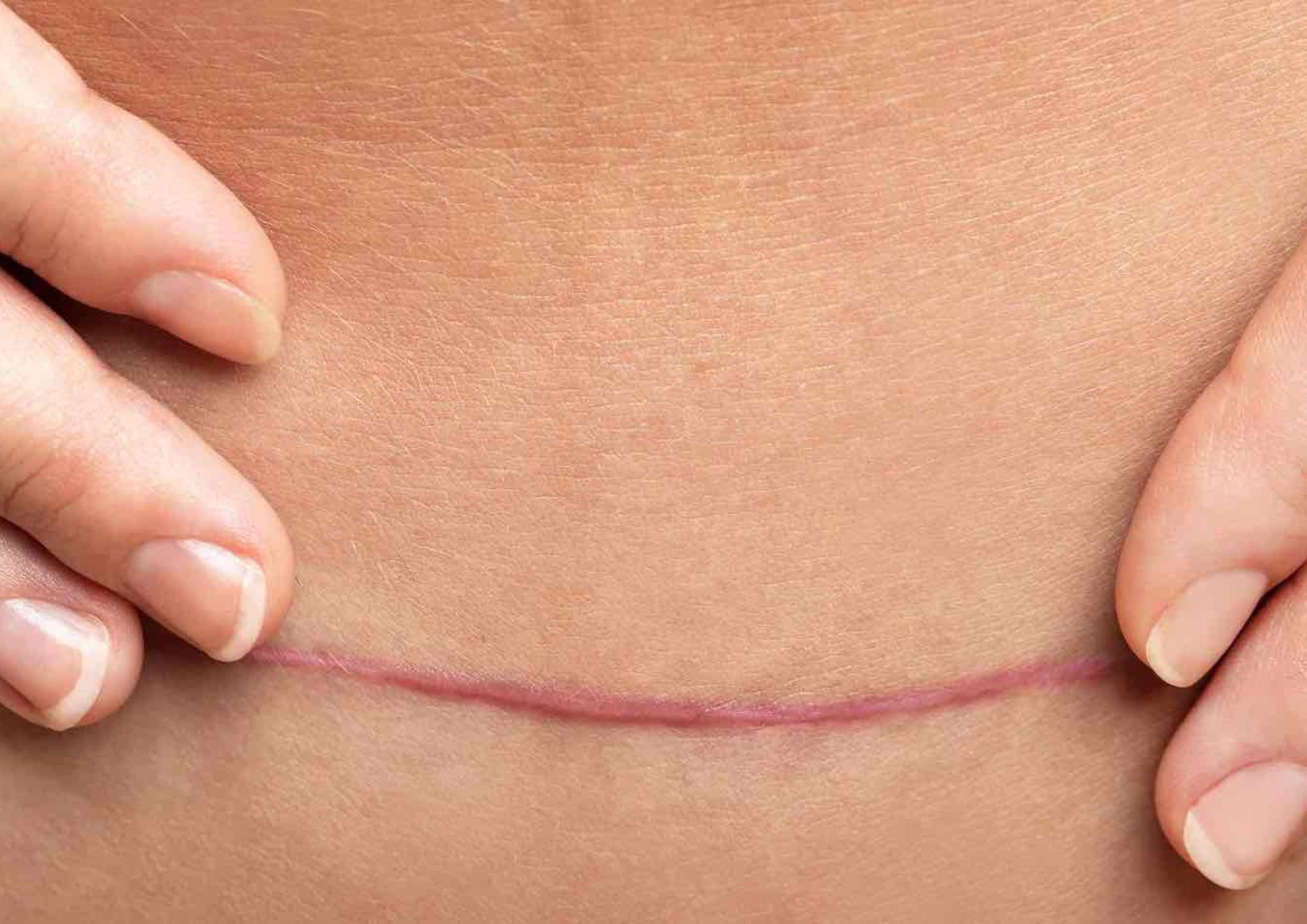
Circumferential incision - Next, your circumferential incision is made. This means that the incision will be made all the way around your torso. Using this method means that your surgeon can tighten your loose skin from every angle - one of the reasons why you might choose a 360 tummy tuck vs a standard tummy tuck.
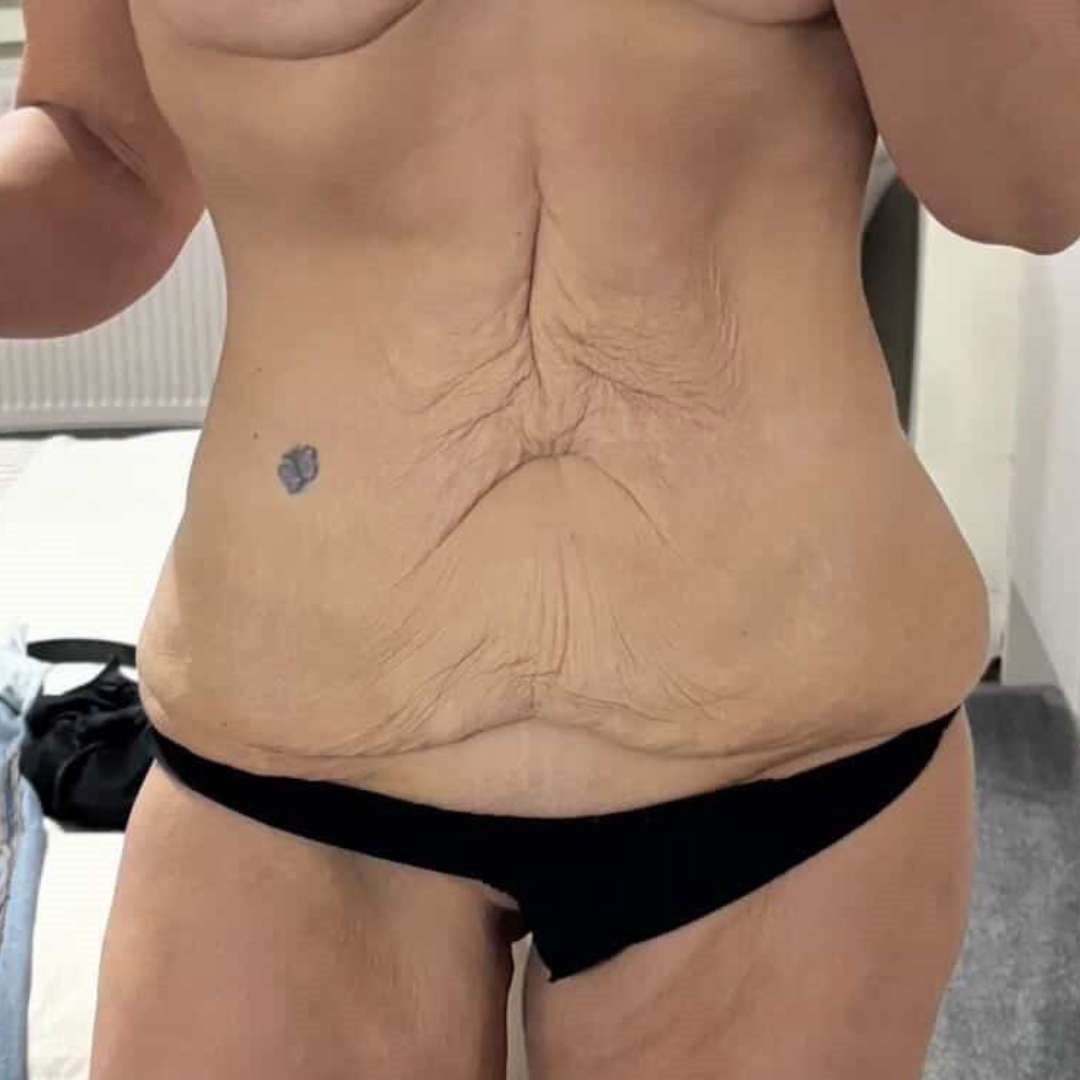
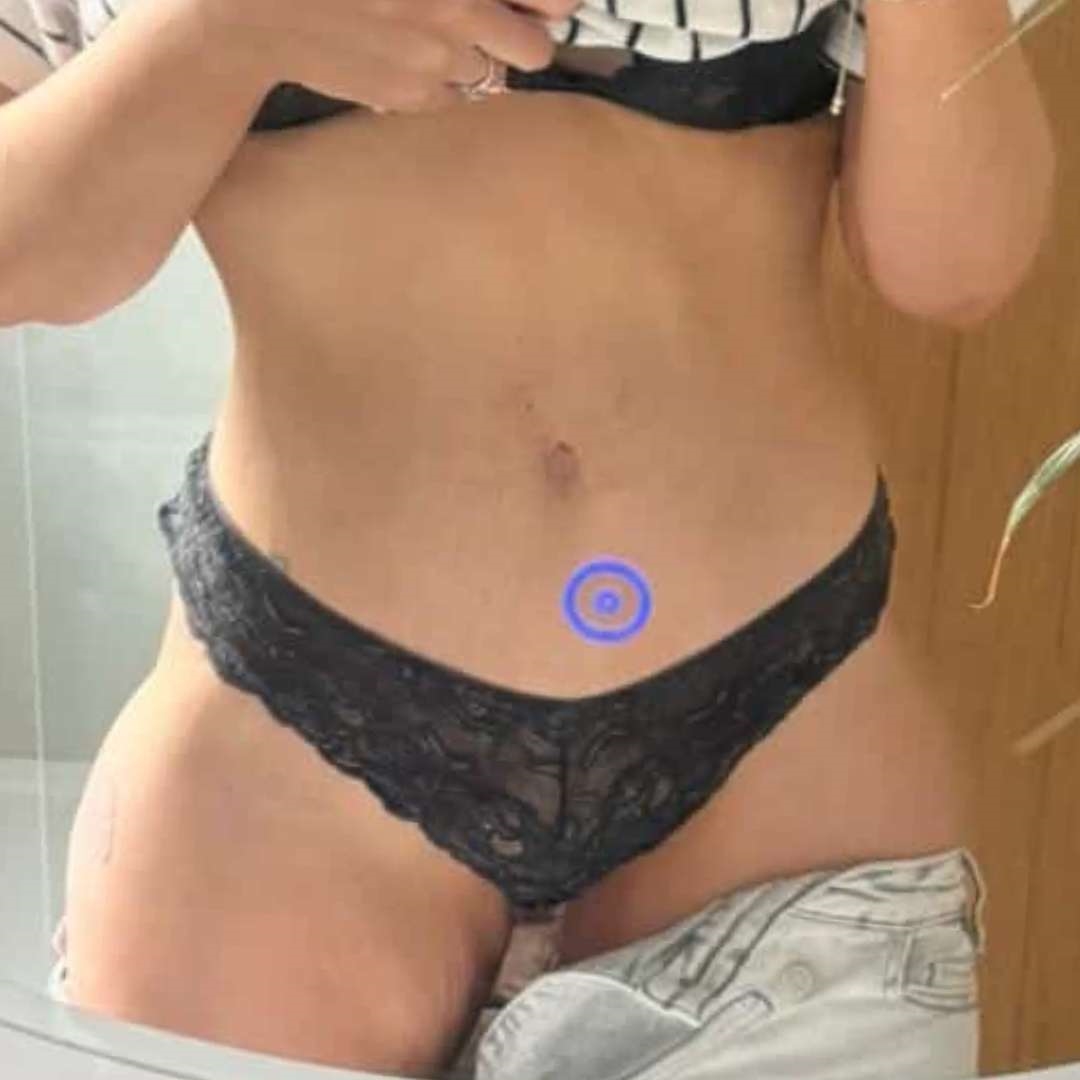
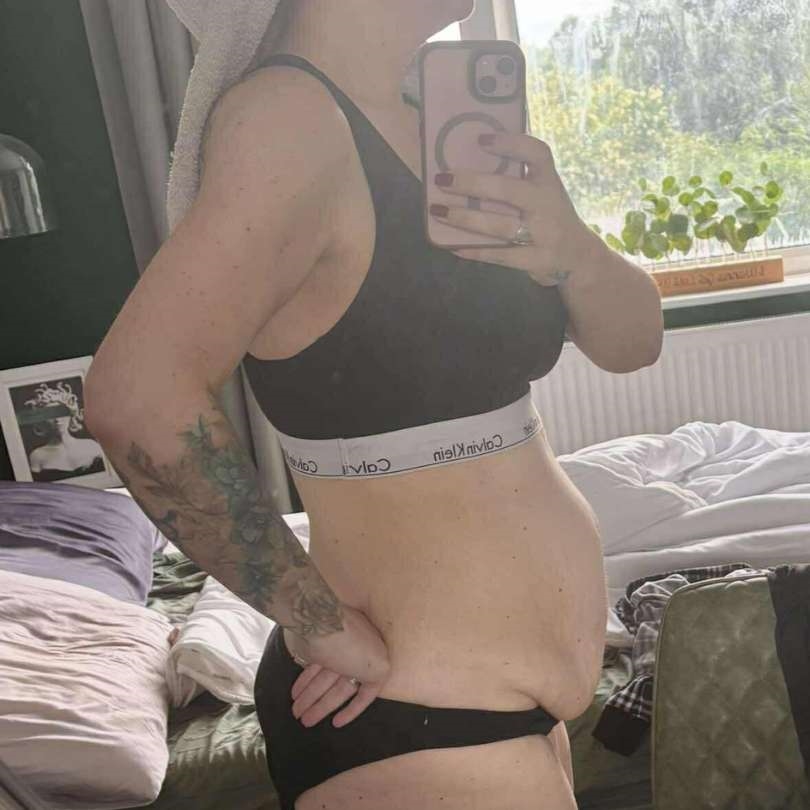
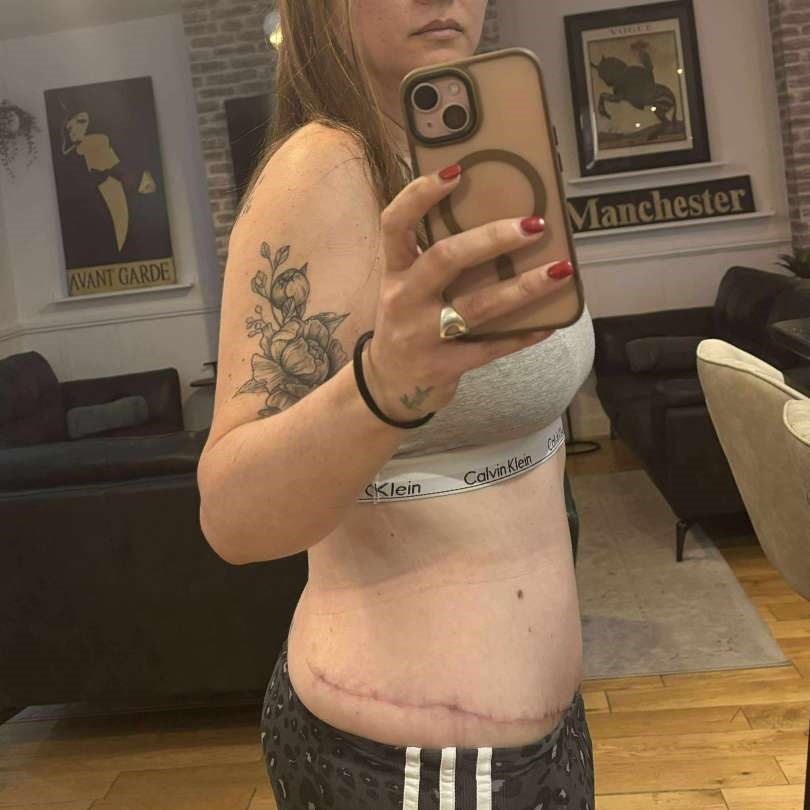
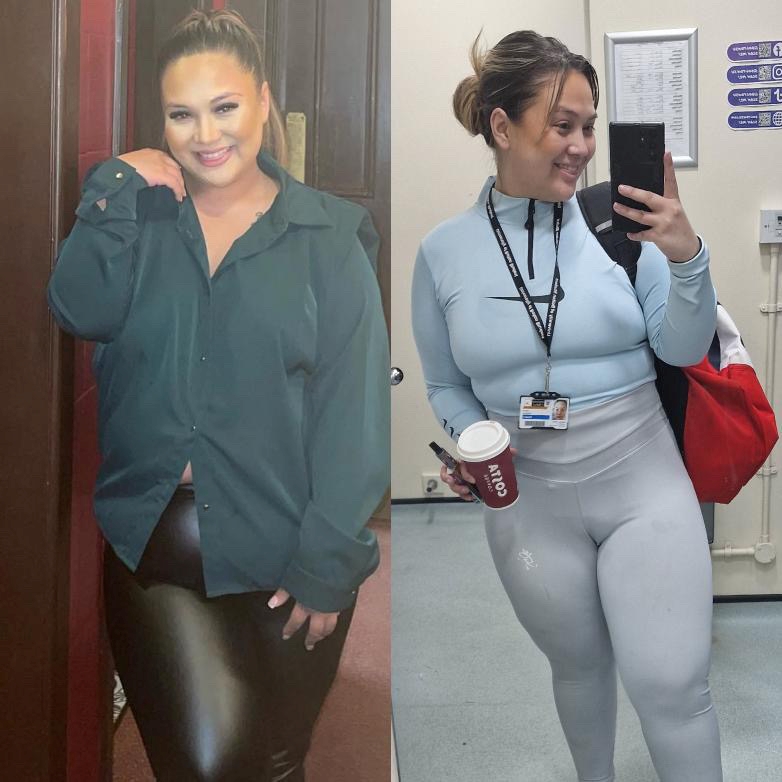
Removal of excess skin & fat - At this stage, your surgeon will remove the loose skin and fat from your abdomen, back, and sides before pulling the remaining skin tight. Once you’re fully recovered in 3-6 months time, you will see a massive improvement in this region and your abdomen will appear smooth and snatched.
Belt lipectomy with butterfly lift explained - When your surgeon begins to work on your back’s loose skin and fat, he will use a technique called the `butterfly lift`. The incision pattern resembles a butterfly, and is used to tighten and lift the back and buttocks.
Muscle repair & tightening - If you have a condition called diastasis recti (where your abs have seperated due to weight loss or pregnancy), your surgeon can repair and tighten them here. This step doesn’t happen for everyone, so it’s important to mention it to your surgeon during your free consultation.
Belly button re-positioning - Now that your torso is flat, smooth, and neatly tucked - it’s time to return your belly button to its natural positioning.
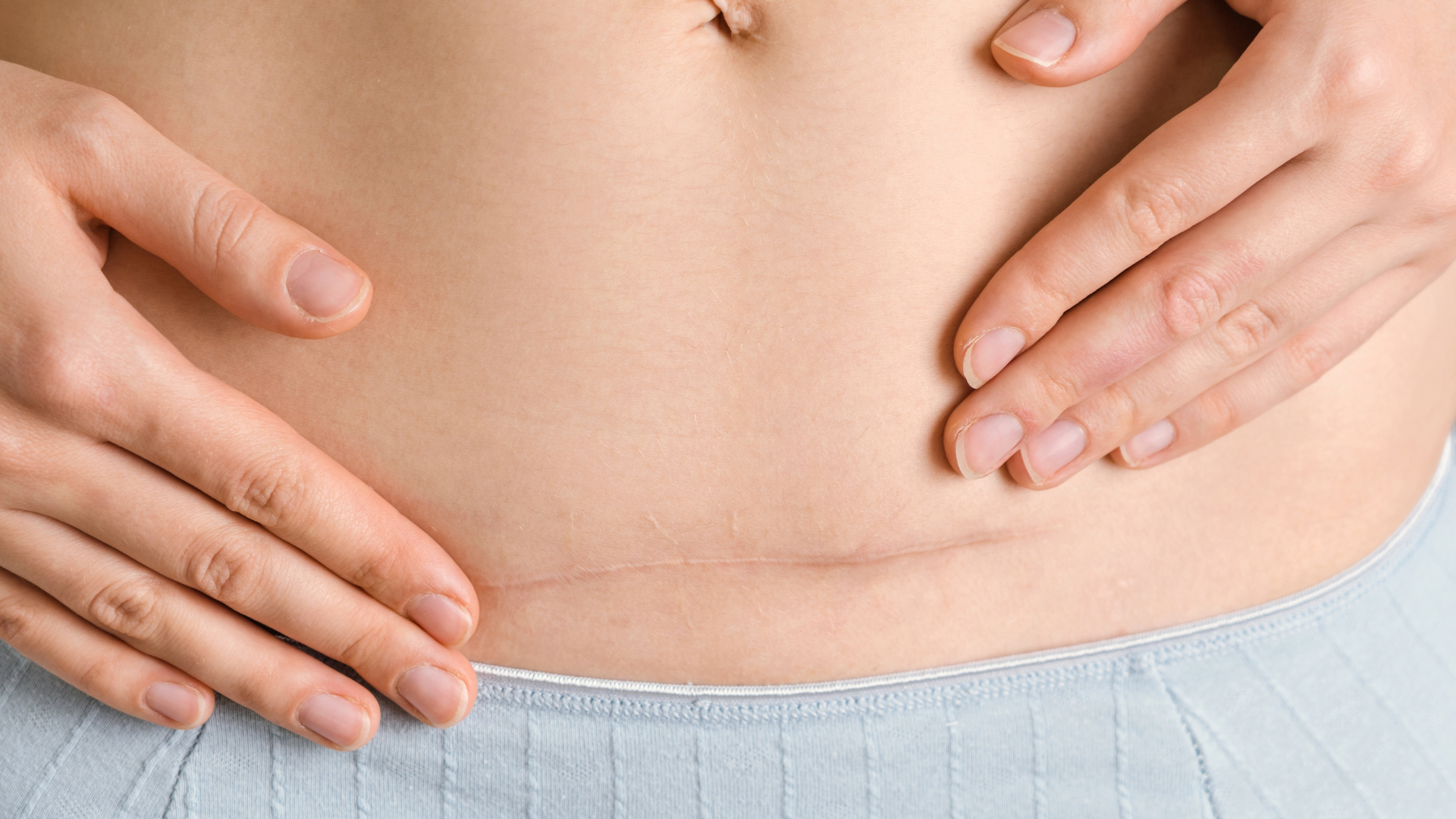
Closing the incisions - Once the procedure has been completed, the incisions are closed using sutures and, if necessary, drainage tubes are attached. A compression garment is also fitted to help with swelling and to aid results.