Menu Menu
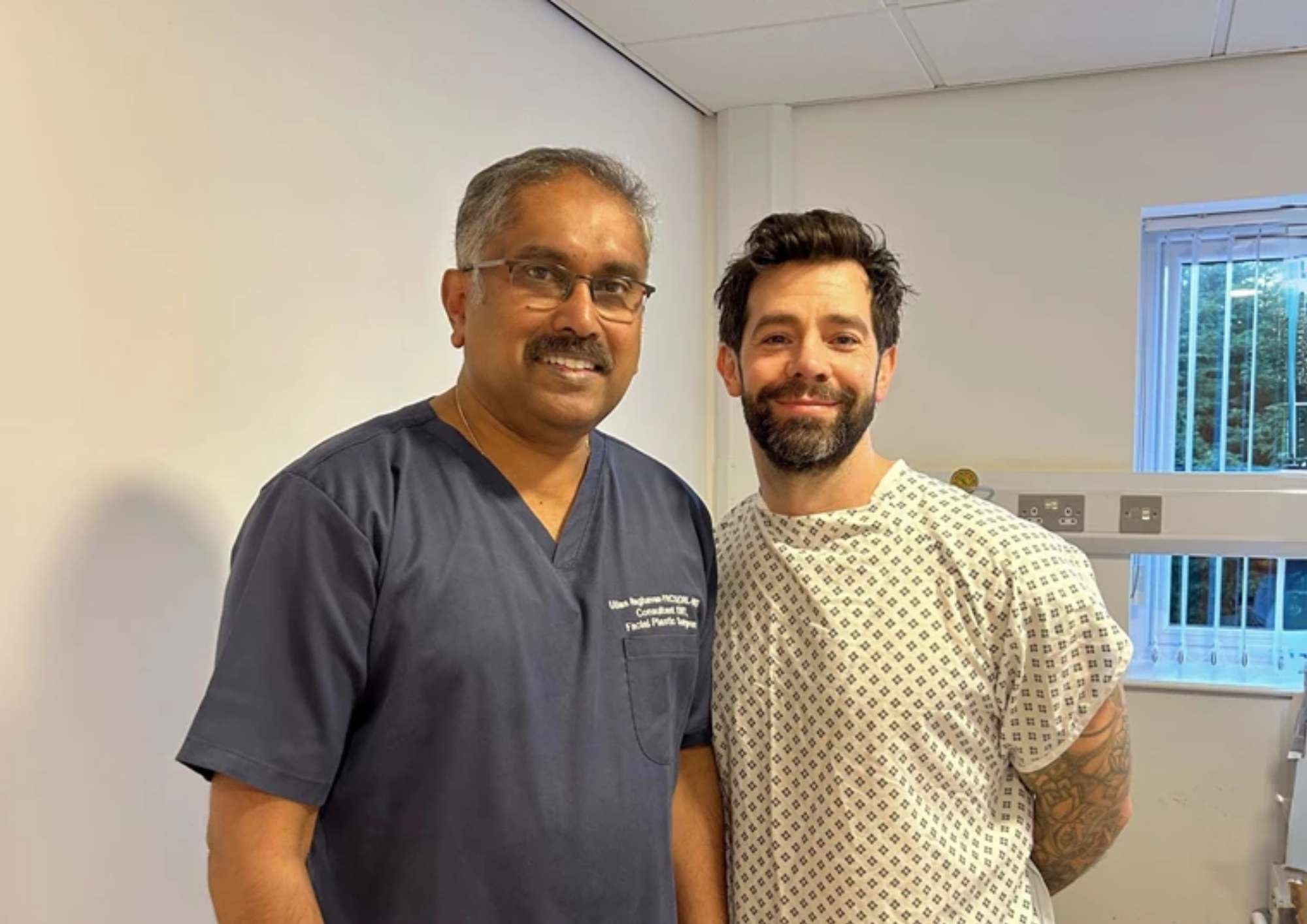
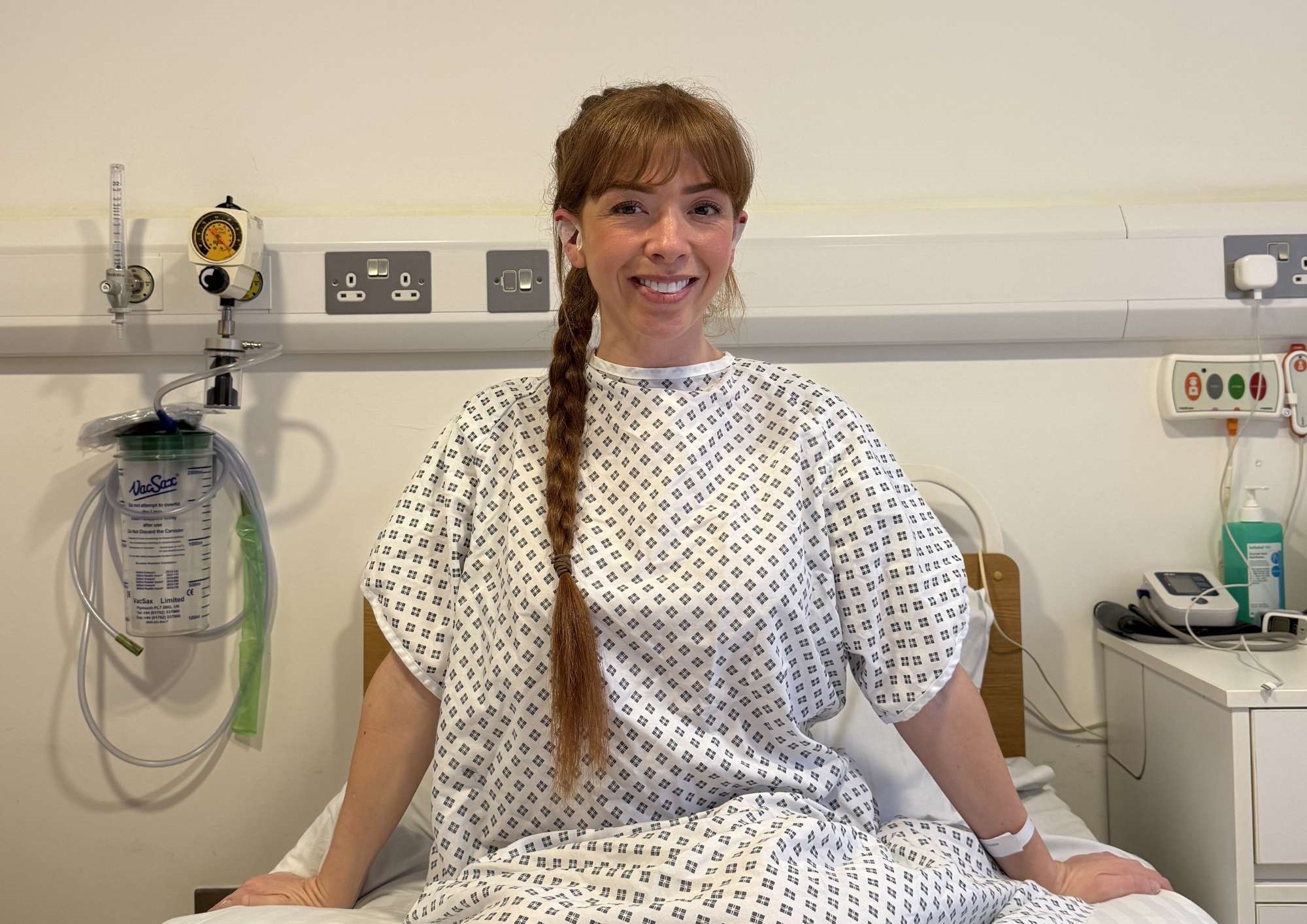
Jess Daley's Septorhinoplasty surgery day

Nose Types & Shapes Guide

Nose shape is genetics, not a flaw, but it does determine the surgery.

Your nose plays an important part in how your face looks and feels as a whole. It can shape your profile, your facial balance and, for many people, your confidence.

No two noses are the same. Your shape is influenced by your genetics, heritage and natural anatomy, which means there is no single “perfect” nose. The aim of rhinoplasty is not to follow a trend, but to create a result that feels balanced, natural and right for you.

Whether you are looking for a small refinement or a more noticeable change, understanding your own nasal shape is the best place to start. This guide explores common nose shapes and what to consider when planning rhinoplasty, so you can make a confident, informed decision about a result that still feels like you.

Types of nose surgeries

Rhinoplasty Focuses purely on aesthetic refinements—like hump reduction or tip shaping—where breathing is already clear and healthy.
Septoplasty ("septo surgery") Functional correction of an internal deviated septum. Focused solely on restoring optimal nasal passage breathing and slight cosmetic changes.
Combined Septorhinoplasty Corrects both chronic breathing issues and aesthetic concerns in a single operation. Perfect for crooked, asymmetric, or structurally damaged noses.
Tip-only rhinoplasty (tip-plasty) Reshapes, narrows, or lifts only the tip of your nose. Ideal if you are happy with your nose bridge but want to adjust a droopy or bulbous tip.
Closed approach Incisions are made entirely inside your nostrils so you won't have any external scars visible. Ideal for simpler adjustments like smoothing a bridge bump.
Open approach An external-incision approach offering direct structural visibility. Mostly used for complex structural rebuilding, extensive grafting, or correcting major asymmetry.
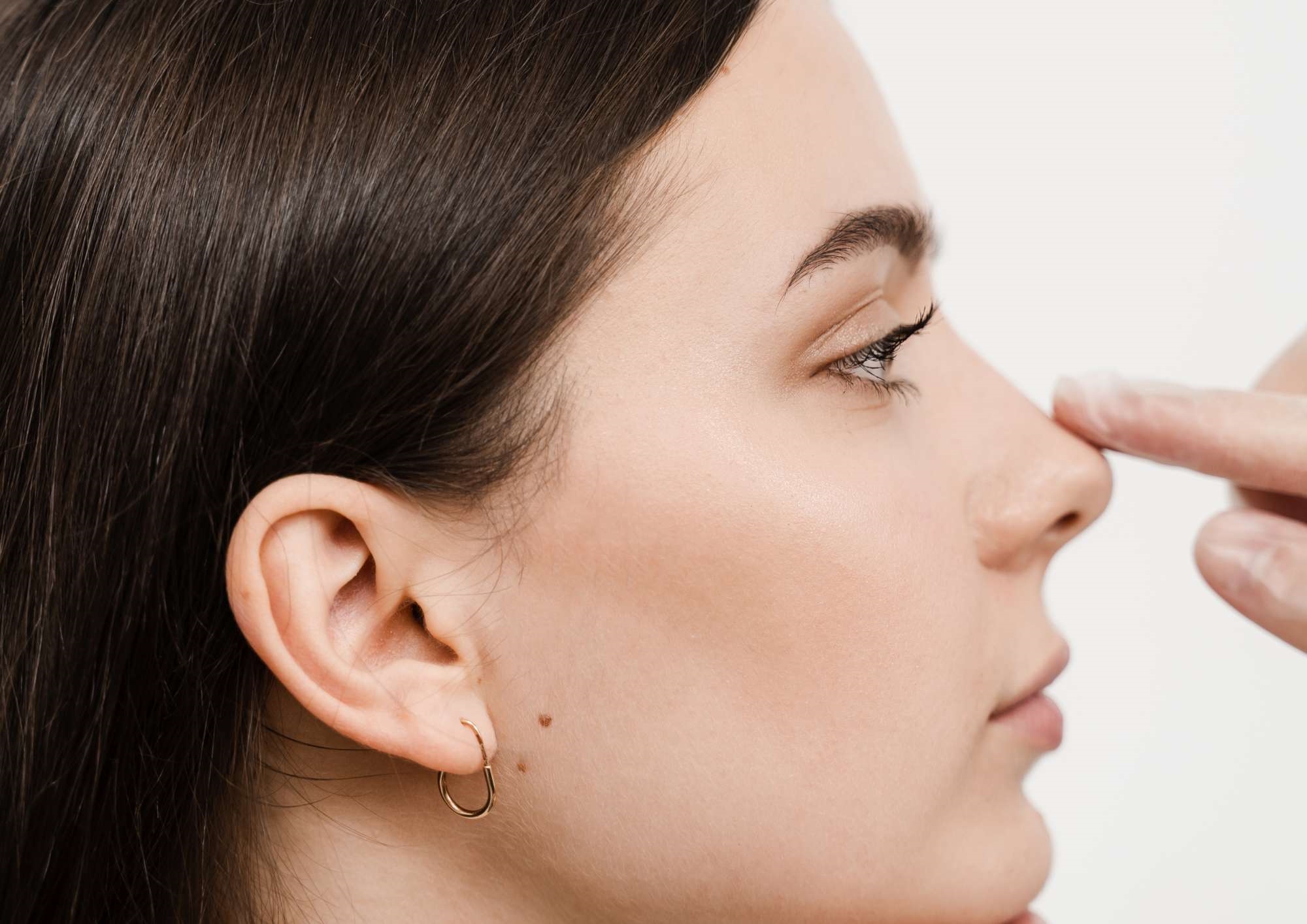
Example of a Straight / Grecian Profile

The Greek Nose

aka Straight / Grecian Profile

A near-straight line runs from the brow to the tip with almost no curve and, distinctively, little or no break between the forehead and the bridge — the two flow into each other the way they do on classical sculpture. Projection tends to concentrate at the tip rather than along the bridge, which keeps the whole profile reading as even and balanced. This is the profile most people mean when they search for how to get a straight nose.

Because the proportions already read as harmonious, this is the nose type least often brought in for major reshaping. Where people do want a change, it's usually about refining nostril width or sharpening tip definition rather than touching the bridge at all.

Typical procedure:

Because changes are usually confined to the tip or nostrils rather than the bridge, this tends to be a smaller, more contained procedure than most other shapes on this list. That typically means a tip-only rhinoplasty to add definition, sometimes paired with alarplasty if nostril width is also a concern — the septum is rarely involved. A closed approach is generally sufficient, since the limited scope doesn't call for the extra visibility of opening the nose. Surgeons are typically cautious about changing much here — small, conservative moves protect a profile that's already close to balanced.

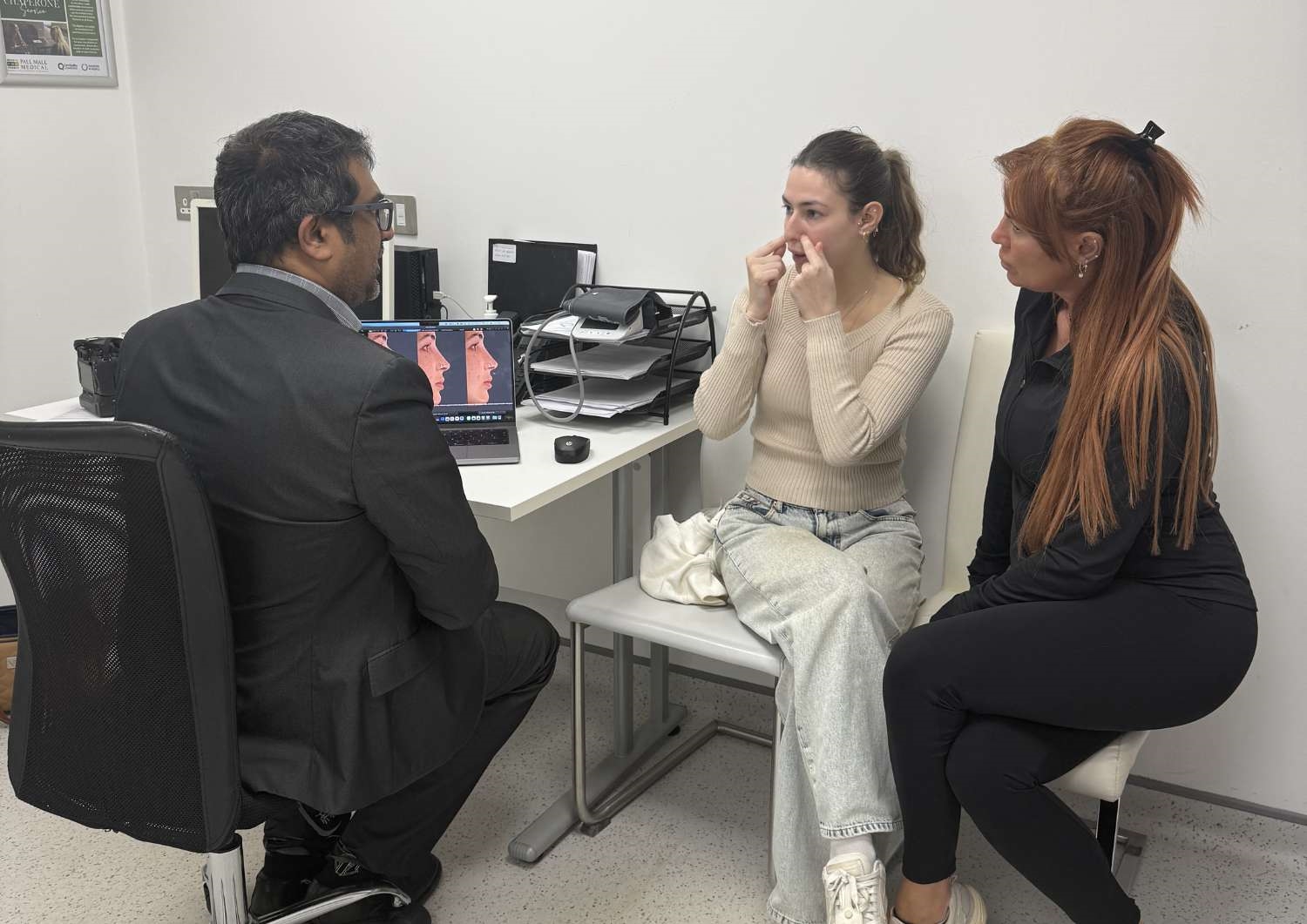
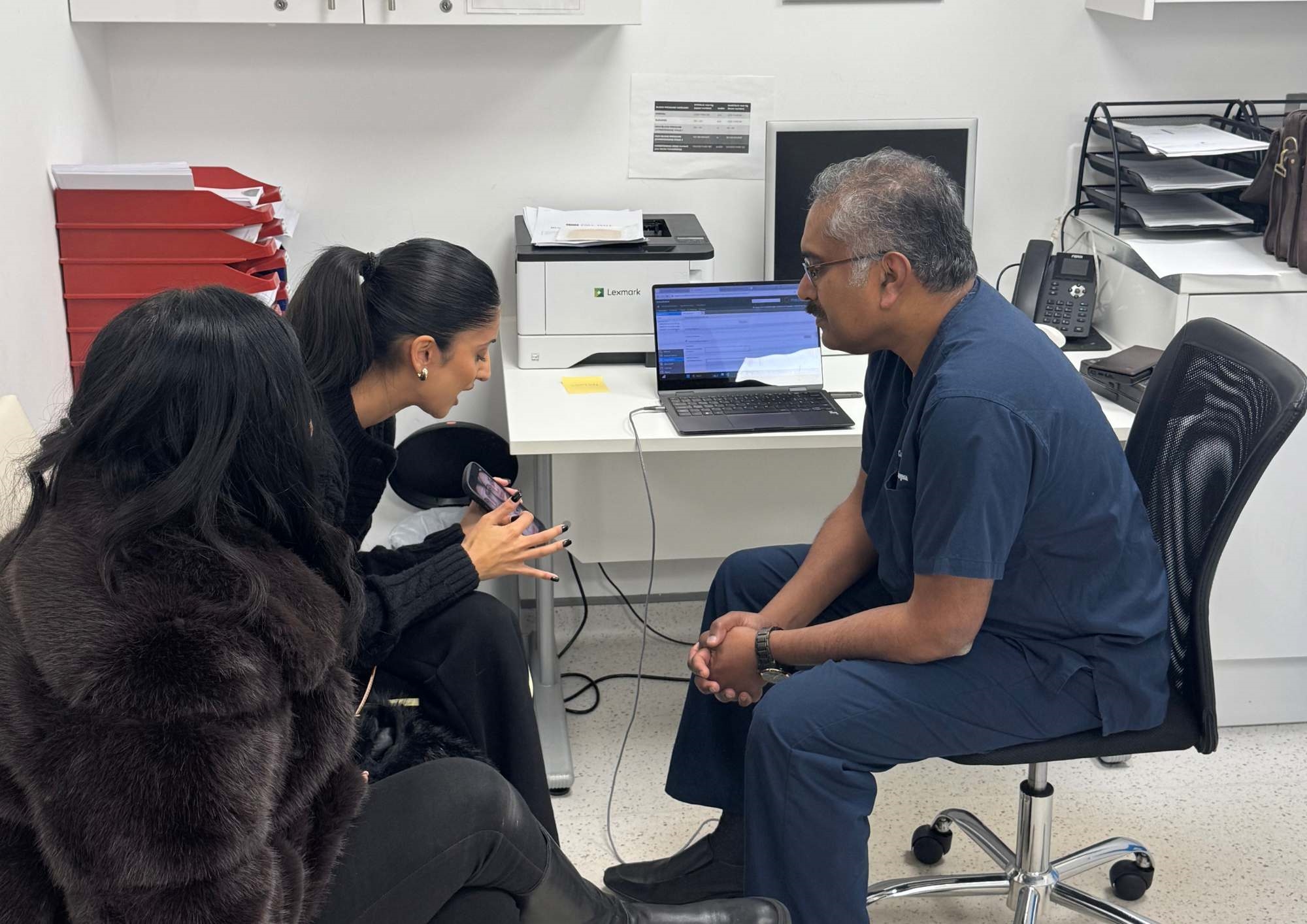
Kim Mann Rhinoplasty Consultation with Prof Raghavan

The Celestial Nose

aka Button / Snub / Retroussé

Short bridge, a slightly concave (scooped) profile, and a tip that tilts upward — this is the shape most people picture when they say "button nose." It reads as youthful and delicate, and nostrils are often more visible from the front than on longer nose types. It's genuinely one of the most requested profiles in all of rhinoplasty.

Not everyone with this nose type wants the same change: some are happy with the tip's lift and only want the nostrils less visible from the front, while others want a straighter, slightly heightened bridge that softens the scoop. Ironically, it's also one of the easiest shapes to over-correct into an artificial-looking ski-slope profile.

Typical procedure details:

Where the goal is reducing how much nostril shows, surgeons rotate the tip downward using cartilage grafts, often without touching the bridge at all a tip-focused rhinoplasty. Where the goal is softening the scooped bridge itself, height is added to it, usually alongside some tip rotation so the two stay in proportion. Because grafts have to be seated and secured precisely to avoid an artificial look, this is usually done open, though very subtle tip rotation alone can sometimes be done closed. Subtlety is the whole game with this shape.

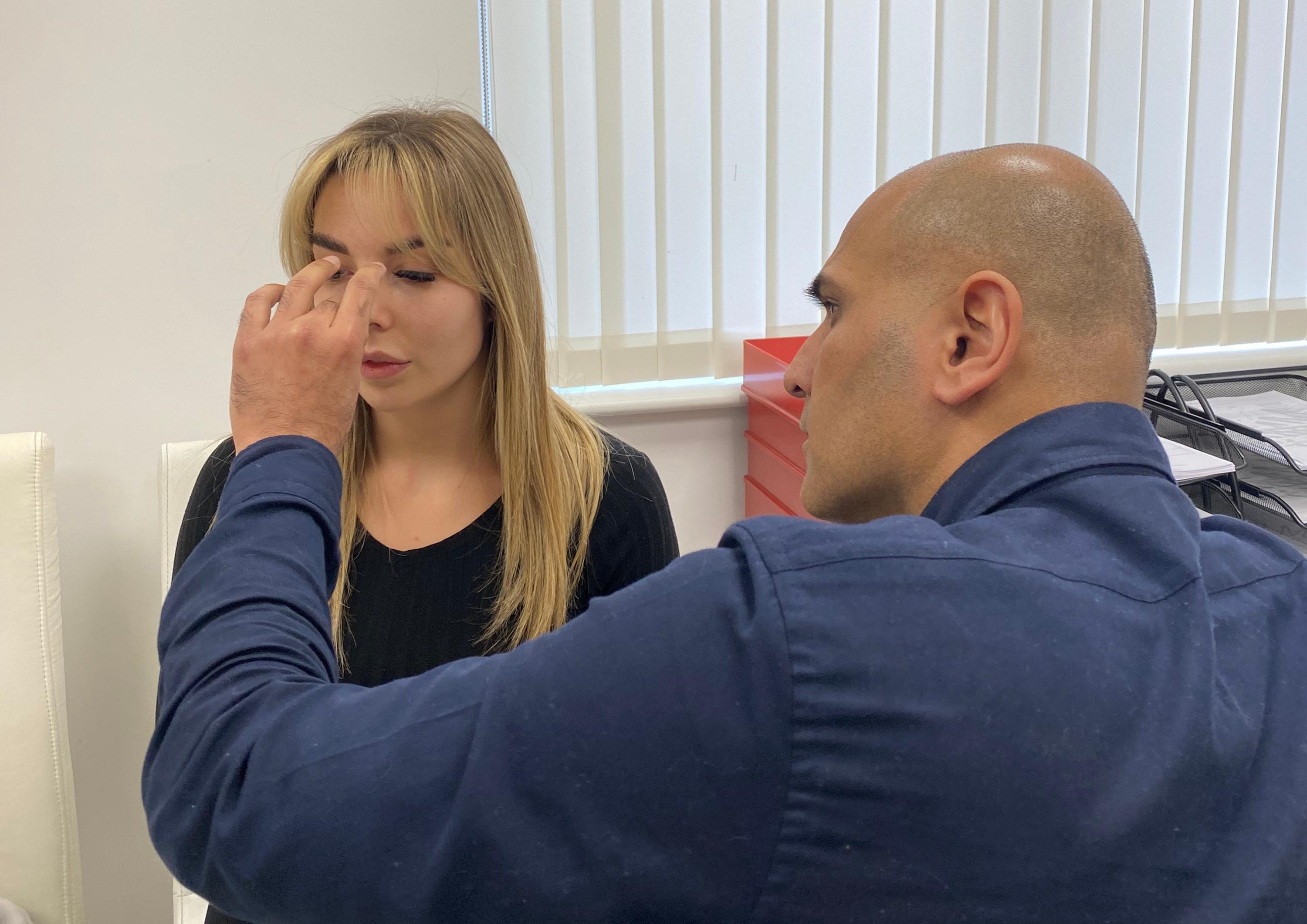
Gigi Simon's Consultation with Mr Rao

The Roman Nose

aka Aquiline / Hump Nose

A Roman nose, also known as an aquiline nose, features a bridge that rises then curves gently outward before dropping to the tip — the convex profile seen in classical statuary. The defining feature is a dorsal hump: bone and cartilage projecting above the rest of the bridge line, often felt as a bump when running a finger down it. It's one of the most common reasons people first look into rhinoplasty.

The tip itself often sits slightly lower than the hump, which can make the whole nose read as heavier or more dominant on the face, especially in profile. This gives the Roman nose a strong, defining character — a popular choice among men seeking to refine their profile rather than soften it entirely.

Typical procedure details:

Surgery typically centers on dorsal hump reduction — the excess bone and cartilage is filed, shaved, or rasped down. The surgeon then re-checks the tip's position so it lines up with the newly lowered bridge, rather than looking left behind.

Because taking down the hump shifts the whole profile's balance, surgeons often assess chin projection at the same time — a smaller chin can make a newly straightened bridge look more prominent by comparison. Newer preservation techniques also allow the entire bridge to be lowered as one unit instead of shaved down, which some surgeons prefer for a more natural-looking result.

Nose job consultation

The Hawk Nose

Think of this as the Roman nose taken further: a higher, more sharply convex bridge that curves down noticeably near the tip, often paired with narrower nostrils and a tip that can look slightly hooked. It reads as strong and intense rather than soft or delicate, and often carries strong ties with heritage.

The steep curve usually means more bone and cartilage needs to come down, and the tip needs more repositioning to match, compared with a milder Roman profile.

Typical procedure details:

A larger dorsal hump reduction is combined with tip rotation and refinement, so the newly lowered bridge and the tip line up into one smooth curve rather than two mismatched segments. These procedures may be carried out across a primary and secondary rhinoplasty, depending on the extent required.

Surgeons pay close attention to keeping enough structural support so the bridge doesn't look scooped-out afterward. Patients may seek a gentler curve, a slight lift to the tip, or a flatter arch — but softening the curve too much can flatten that natural character, which is why many patients choose to soften the hook rather than fully straighten it.

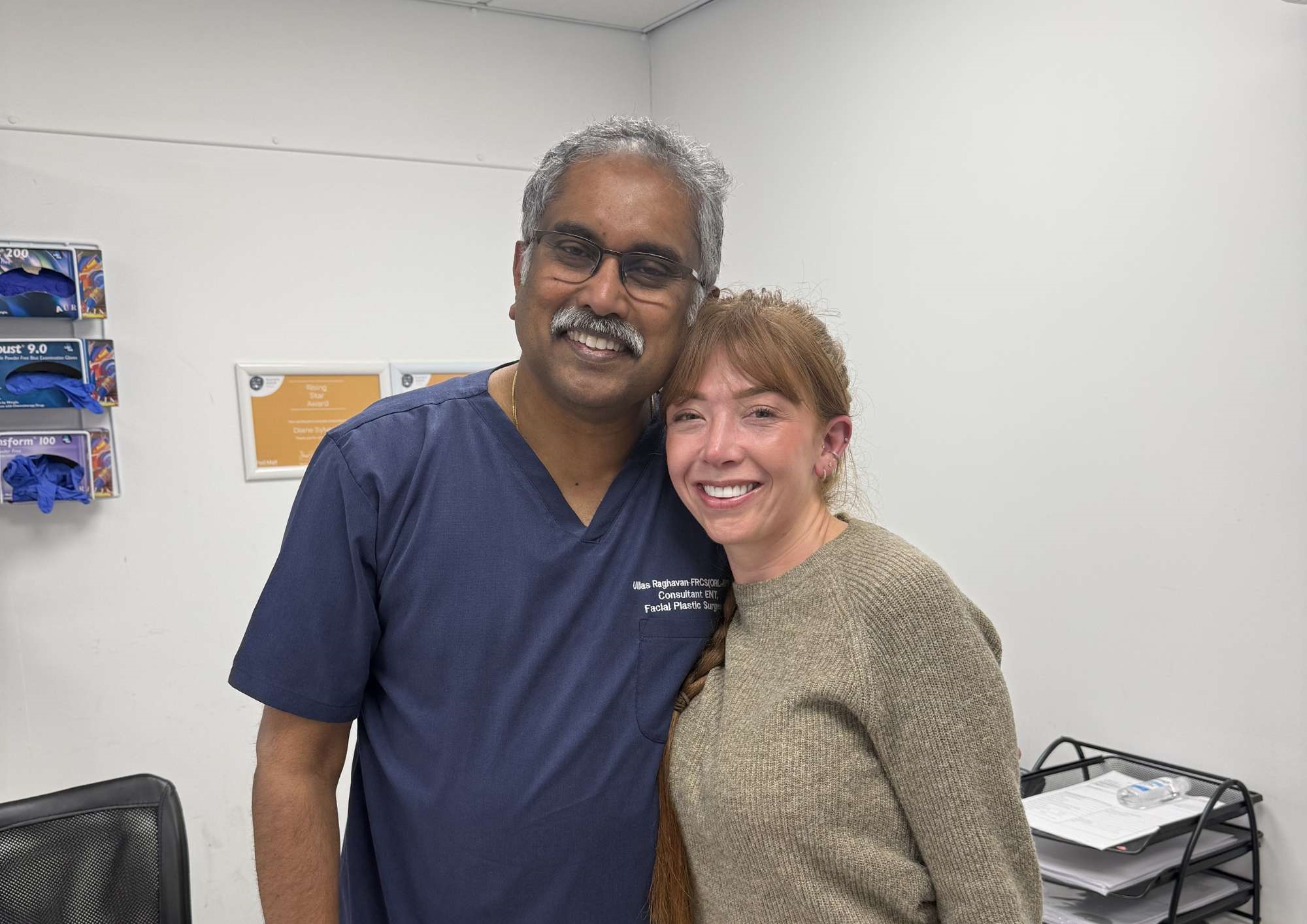
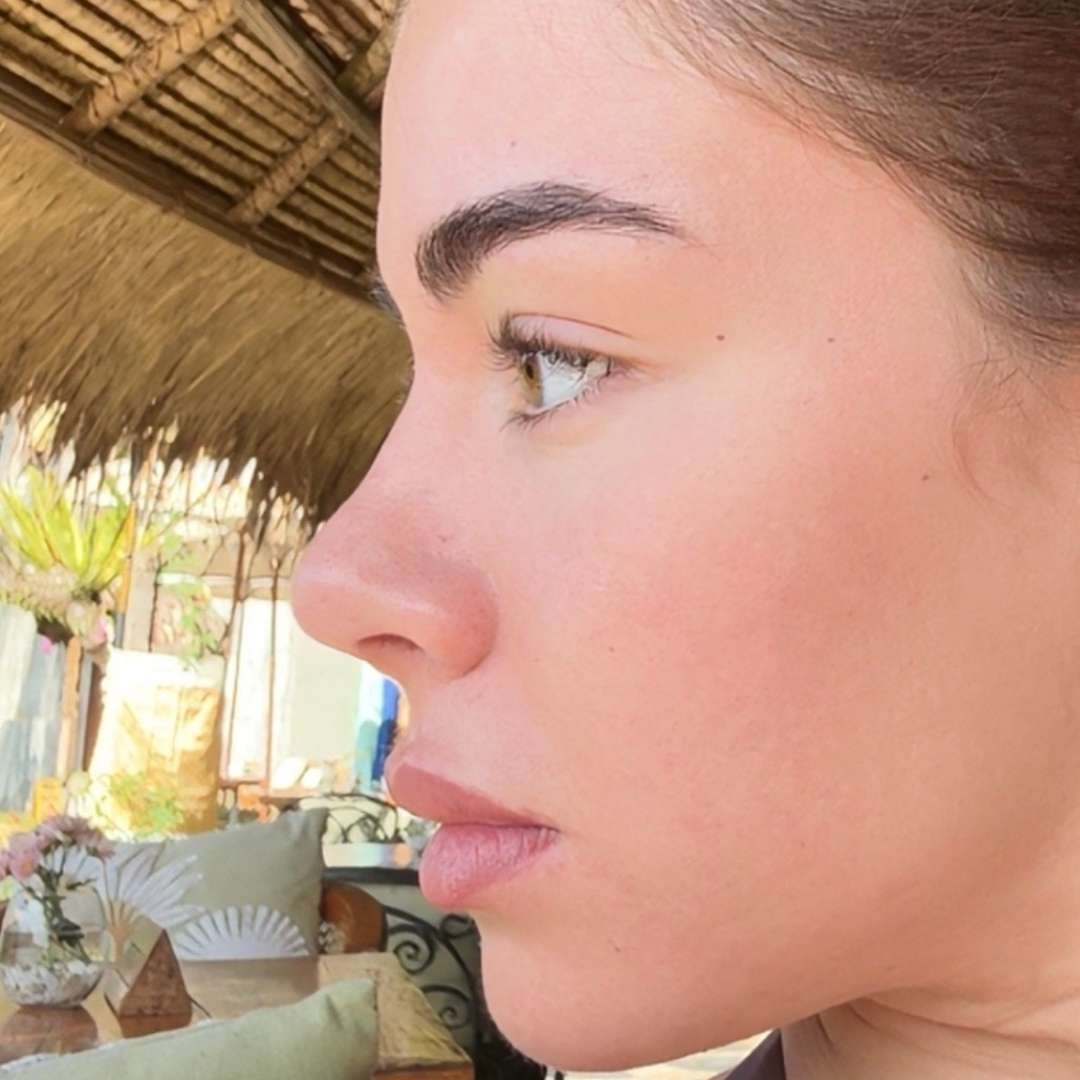
Jess Daley and her surgeon Professor Raghavan

The Crooked Nose

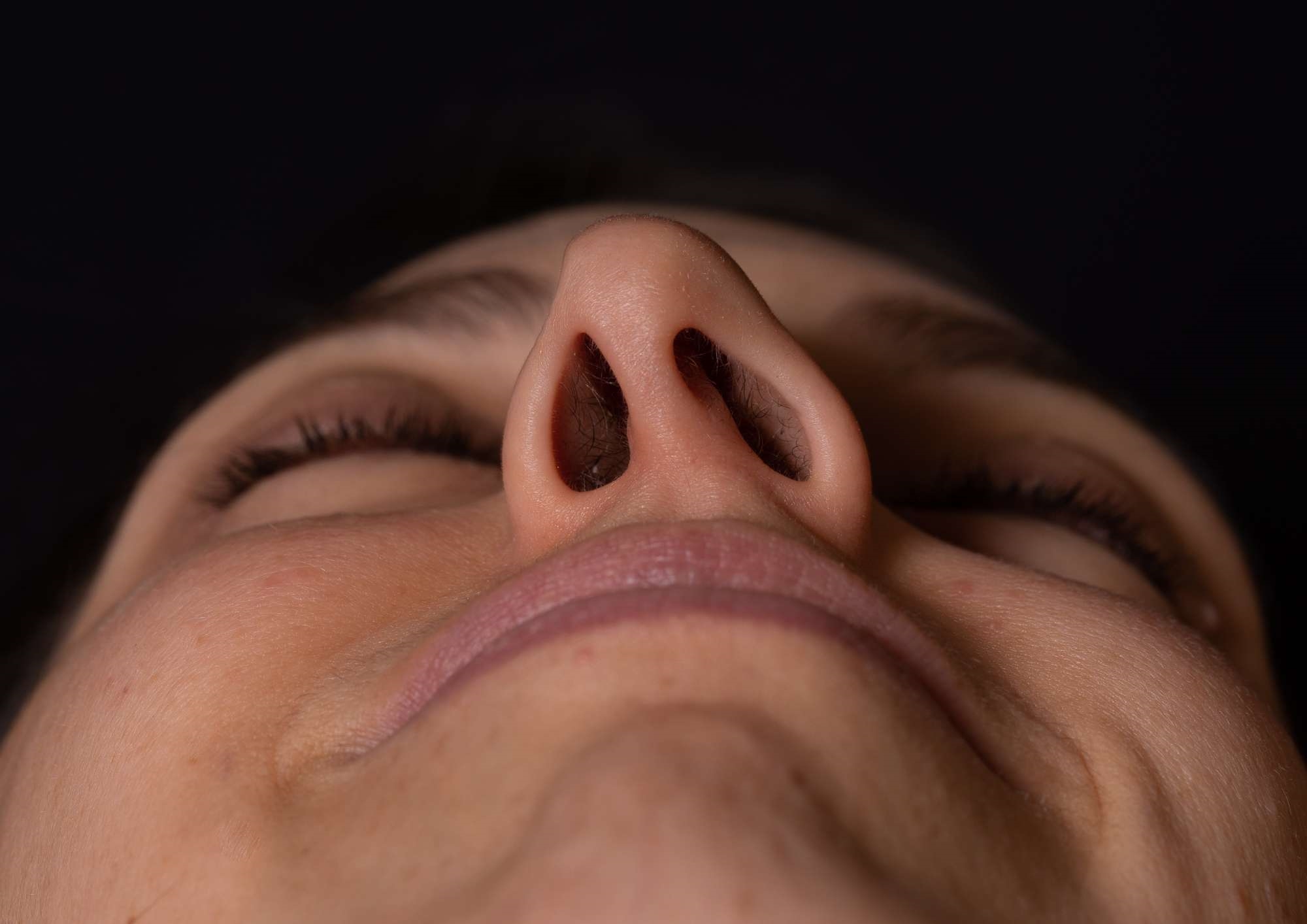
The nose deviates from the facial midline in a visible kink, lean, or C, S, or I-shaped curve — often more noticeable from the front than the side. This can stem from genetics, an old injury or trauma, or a septum that grew or healed off-center. Unlike most of the other types on this page, this one is frequently both a cosmetic and a functional issue — the same deviation that shows visually can also partially block airflow through one nostril.

This overlap is exactly why surgeons want to know your nose type before surgery: purely cosmetic reshaping without addressing the septum underneath tends to relapse.

Typical procedure details:

A septorhinoplasty combines cosmetic straightening with an internal septoplasty, sometimes using spreader grafts to hold the newly straightened structure in place while it heals. Breathing improvement is often the more durable win, even when the visual straightening is more modest.

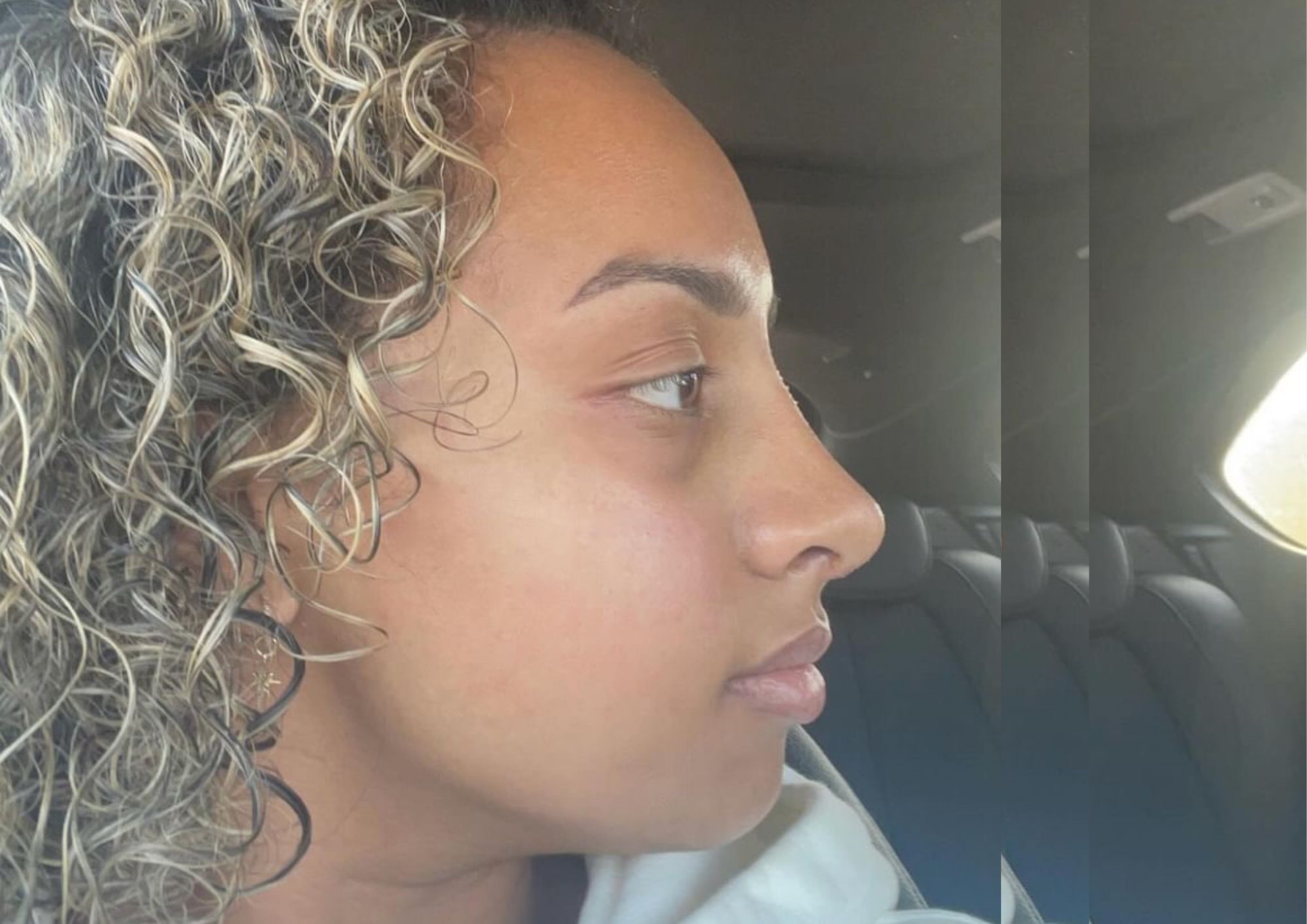
Bev's nose after Rhinoplasty at Pall Mall

The Nubian Nose

Common in African and African-diaspora heritage

A longer or shorter, relatively flat bridge combines with a wider base, fuller nostrils, and a tip that often sits with a gentle downward slope and reads as fuller and rounder overall. Skin over the tip tends to be thicker, and the underlying cartilage tends to be softer than in a leptorrhine (narrower) nose type. Nubian noses are often influenced by ethnicity, which many patients wish to preserve — seeking subtle refinements rather than dramatic changes.

These structural traits — a wide nasal base, softer cartilage, and thicker skin — sit at the center of most ethnic rhinoplasty discussions, because they call for different tools than a typical reduction case.

Typical procedure details:

Augmentation rather than reduction is common: cartilage grafts (often taken from the septum or ear) add structure to the bridge and tip, while alarplasty narrows the nostrils if the patient wants that. Surgeons experienced with this nose type deliberately preserve its width and character rather than narrowing it to match a template built for thinner-skinned noses.

The Flat Nose

A lower bridge with little projection sits close to the face from brow to tip, often paired with a softer, less defined tip and a broader nasal base, with skin that's usually thicker and carries more underlying soft tissue than in a leptorrhine nose. Nostrils are frequently a little wider relative to the bridge. This falls into what surgeons broadly call a mesorrhine-to-platyrrhine range — mid-way between the narrowest and widest extremes of nasal anatomy.

This shape appears across many ethnic backgrounds — it's especially common across East and Southeast Asian heritage — and isn't tied to one face shape more than another.

Because thicker skin hides fine cartilage detail, subtle tip sculpting reads less visibly here than it would on thin skin, which changes what a surgeon can promise.

Typical procedure details:

Surgeons build up the bridge with a graft made of the patient's own cartilage (or occasionally an implant), combined with tip grafts for more definition and projection. Changes to a wide, flat nose typically centre around how much height feels natural for the rest of the face. Thicker skin also means swelling takes longer to settle — final results are often judged at the one-year mark rather than a few months out.

Ayla Hudson's Open Septorhinoplasty

The Bulbous Nose

aka Fleshy Nose

The bridge can be anything — often fairly straight — but the tip is the story here: wide, round, and ball-like, usually because the lower cartilage (the "lower lateral cartilages") is splayed wide and covered in extra soft tissue and thicker skin. It's less about size and more about a lack of definition, though sizes can vary from patient to patient.

This is one of the more technically demanding tips to refine, precisely because thick skin resists showing the sharper contours a suture technique creates underneath it. Outcomes depend a lot on skin thickness: thicker skin can soften or mask fine cartilage work, so a surgeon may set more conservative expectations for how sharply the tip can be defined.

Typical procedure details:

Tip-plasty sutures bring the splayed cartilages closer together to narrow and define the tip, sometimes combined with conservative trimming of excess cartilage to narrow the tip, nostrils, or both. Surgeons are deliberately cautious about over-thinning the covering soft tissue, since that can compromise blood supply and long-term skin quality.

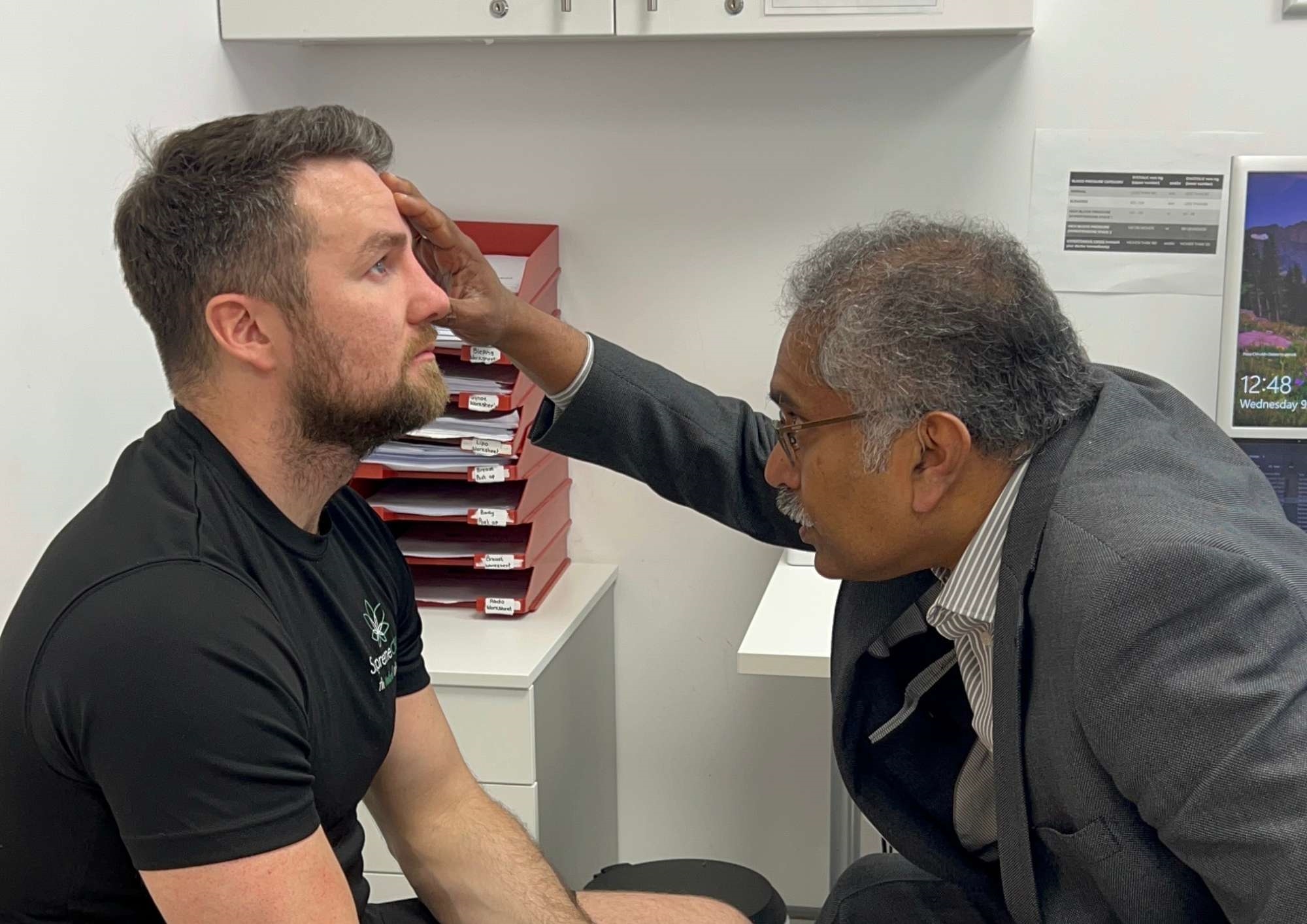
Anthony Fowler Nose Consult

The Boxer's Nose

aka Saddle Nose

Repeated impact — from contact sports, past fractures, or prior surgery that removed too much septal support — leaves the mid-bridge flattened, sunken, or displaced. A deviated septum is common alongside it, and breathing is frequently affected as well as appearance.

Because the septum's own cartilage may already be damaged or missing, this type often can't be fixed using the patient's own nasal tissue alone.

Typical procedure details:

Structural rebuilding with a rib or ear cartilage graft restores height and support to the collapsed bridge, sometimes alongside septal reconstruction to restore both the shape and the airway. This is generally considered one of the more complex rhinoplasty cases to plan and execute well.

Why your surgeon needs to know your nose type before you even discuss what you want to change.

"Nose job" describes dozens of different operations. The type of nose you're starting with narrows down which of those operations are even realistic — before your goals, budget, or Pinterest board enter the conversation.

Skin Skin thickness decides how visible the work will be. Thin skin shows fine cartilage detail — small tip changes read clearly. Thick skin hides subtle sculpting and swells for longer, so surgeons plan more conservatively and set expectations around a longer healing timeline.
Cartilage Cartilage strength decides reduction vs. augmentation. Strong, plentiful cartilage can be reduced and reshaped directly. Soft or limited cartilage often needs reinforcement with grafts before it can hold a new shape — operating as if it were the former when it's the latter is a common cause of poor results.
Structure Bone width sets the limit on narrowing. Nasal bones vary in width and thickness across nose types. Narrower, thinner bones tolerate less aggressive narrowing before breathing or long-term stability is put at risk.
Function Some shapes carry a functional problem, not just a cosmetic one. Crooked and boxer's-type noses often come with septal issues that affect breathing. Treating the visible shape without addressing the airway underneath tends to leave the underlying problem and sometimes the shape unresolved.
Identity Preserving proportion beats chasing a single "ideal" nose. Surgeons increasingly plan around what suits an individual face and heritage rather than reshaping every nose toward one template. A result that fits the rest of the face reads as natural; a result copied from someone else's nose usually doesn't.
Aging Every nose type changes over the following decades. Skin and cartilage support continue shifting for years after healing. Knowing your starting type helps a surgeon predict roughly how your result is likely to settle and age, rather than judging it only in the first few months.

Enquire About Rhinoplasty

A member of our team will be in touch with you to discuss your requirements. 

I agree to receive advice, offers and news by email and SMS in accordance with our privacy policy

Pall Mall Blogs

Breathe easy: How Rhinoplasty surgery can improve your breathing
Discover how Rhinoplasty surgery at Pall Mall Cosmetics not only enhances your appearance but also improves your breathing. Learn about the benefits, how to prepare and recovery involved in this transformative treatment.
Pall Mall Fallback Image
Open vs Closed Rhinoplasty: Which one is right for you?

Rhinoplasty, commonly known as a nose job, is a popular cosmetic surgery designed to enhance the appearance or function of the nose. There are two primary approaches to Rhinoplasty: open and closed.

Pall Mall Fallback Image
What is a deviated septum and how can it be fixed?

A deviated septum is a common condition that affects millions of people worldwide. While many live with this condition without even realising it, for others, it can cause significant discomfort and impact their quality of life.

Pall Mall Fallback Image
Rhinoplasty swelling stages and recovery

Learn about the recovery process after Rhinoplasty surgery, including the timeline for recovery and when you can expect the swelling and bruising to subside.

Pall Mall Fallback Image
The impact of past drug use on your nose and how Rhinoplasty surgery can help

Discover the effects of past drug use on nasal health and how Rhinoplasty surgery offers solutions.

Pall Mall Fallback Image
Post-surgery aftercare

Undergoing cosmetic surgery is a transformative journey, but achieving the best possible results doesn’t stop when you leave the operating room.

Pall Mall Fallback Image
The celebrity noses we all want to know about

Discover the most searched for celebrity noses and find out which stars have the most iconic profiles, with expert insight from leading Rhinoplasty surgeons.

Pall Mall Fallback Image
What is pollybeak deformity?

At Pall Mall, we understand that achieving an aesthetically contoured nose is a top priority for many individuals seeking Rhinoplasty.

Pall Mall Fallback Image
Cosmetic surgery isn't just for women

Discover why cosmetic surgery is increasingly popular among men. Learn about top male procedures like Rhinoplasty, Gynecomastia, Vaser Liposuction, and Tummy Tucks, and how they’re redefining male aesthetics.

Pall Mall Fallback Image
How to articulate your cosmetic surgery goals

Embarking on a cosmetic surgery journey can be both exciting and daunting. Whether you’re looking to enhance a feature, restore a youthful appearance, or correct a long-standing concern, the key to achieving your desired outcome lies in clear and effective communication with your surgeon.

Pall Mall Fallback Image
Life at home after cosmetic surgery

Tips to support your post-procedure recovery journey.

Pall Mall Fallback Image
How to prepare for cosmetic surgery

Everything you need to know before your surgery!

Pall Mall Fallback Image
10 frequent questions we get asked about cosmetic surgery

Your cosmetic surgery questions answered by our Lead Nurse, Maxine.

Pall Mall Fallback Image
What to pack in your cosmetic surgery bag

What to include in your surgery bag so you feel prepared and comfortable.

Pall Mall Fallback Image
What can Rhinoplasty actually change about my nose?

From removing a bridge hump to refining the tip, find out exactly what rhinoplasty can achieve — plus which procedure is right for your goals.