Menu Menu

Cholesterol Blood Tests

  • Prices from £41
  • No referrals needed
  • Experienced nurses
  • Understand your cardiovascular health
  • Clinics in Manchester, Liverpool & Newton-le-Willows
  • Monday to Saturday appointments
  • Fast Results

What does a Cholesterol Blood Test Measure?

A cholesterol blood test, also known as a lipid profile, is the best place to start when measuring cholesterol. It measures:

Total cholesterol

The overall amount of cholesterol in your blood.

LDL cholesterol ("bad cholesterol")

LDL can contribute to fatty deposits building up in your arteries, increasing cardiovascular risk.

HDL cholesterol ("good cholesterol")

HDL helps remove excess cholesterol from the bloodstream and supports heart health.

Triglycerides

A type of fat in the blood that can increase cardiovascular risk when levels are elevated.

What Cholesterol Level is Considered High?

Cholesterol levels are assessed based on your individual health, risk factors and medical history rather than one single number.

As a general guide:

  • Total cholesterol is often considered high when it is above the recommended range.

  • LDL cholesterol is the main focus when assessing cardiovascular risk.

  • HDL cholesterol levels are also considered, as higher levels are generally beneficial.

  • Triglycerides are assessed as part of your overall lipid profile.

Your clinician will interpret your results in the context of your age, lifestyle, family history and any existing health conditions to determine whether action is needed.

How does a Cholesterol Blood Test Help Understand your Health?

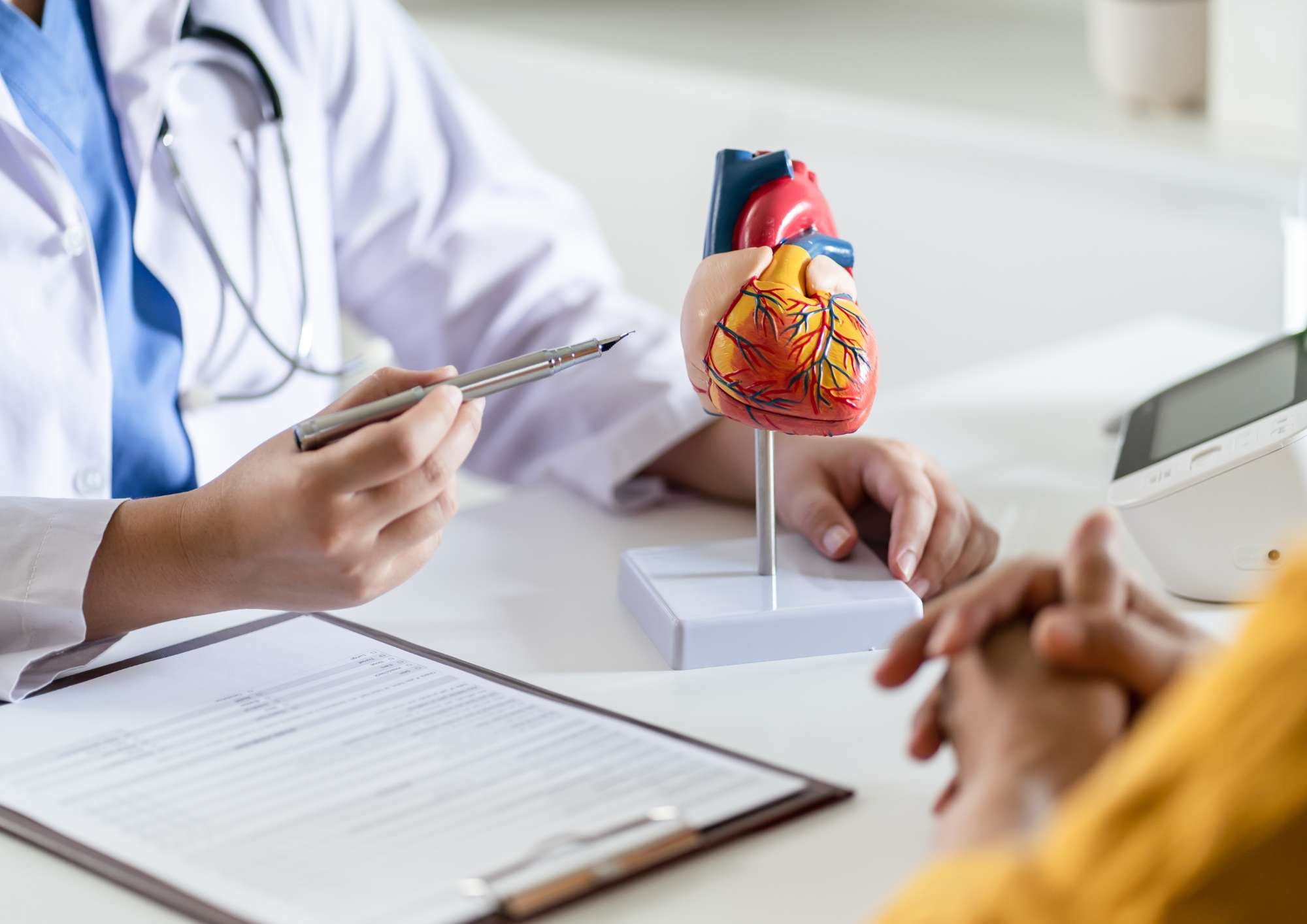
These results help assess your risk of developing cardiovascular conditions such as heart disease, stroke and peripheral arterial disease.

It can help you and your clinician determine whether any changes are needed to protect or improve your cardiovascular health. This could involve lifestyle changes like diet and exercise, or ongoing monitoring.  

Your clinician will consider your age, blood pressure, lifestyle and family history when interpreting your cholesterol levels. The results should be used as part of a holistic health assessment rather than individually.

How Long do Results Take?

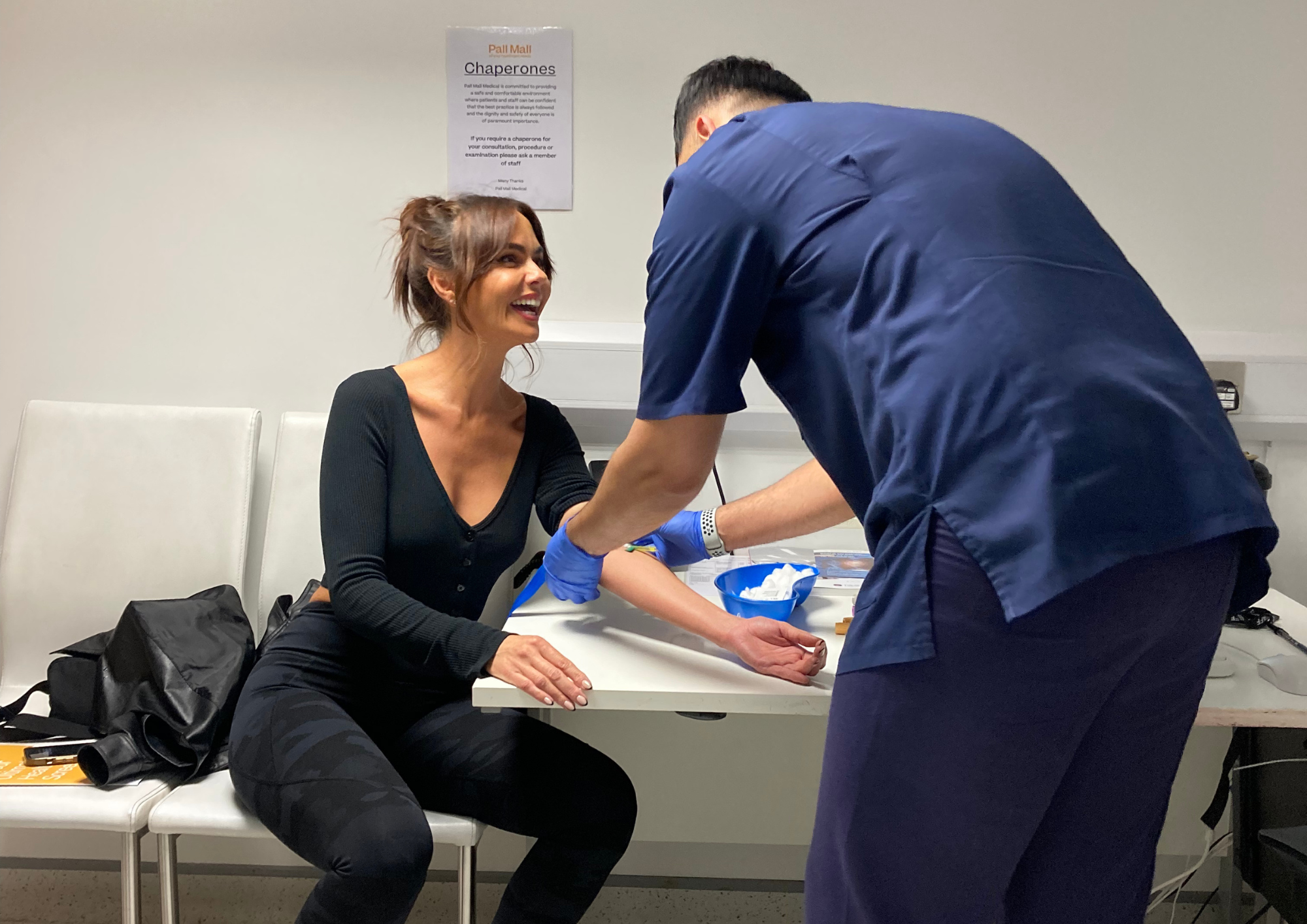
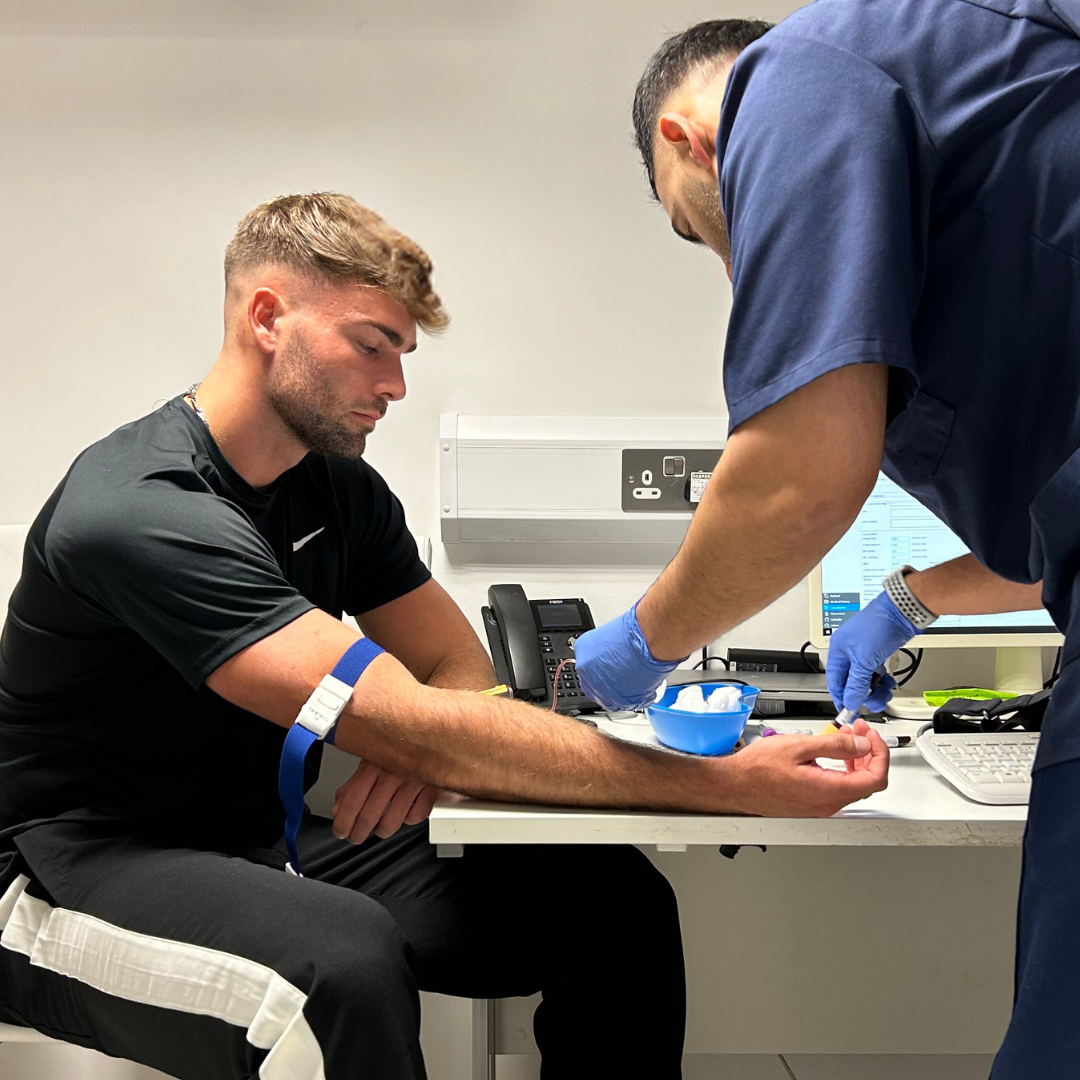
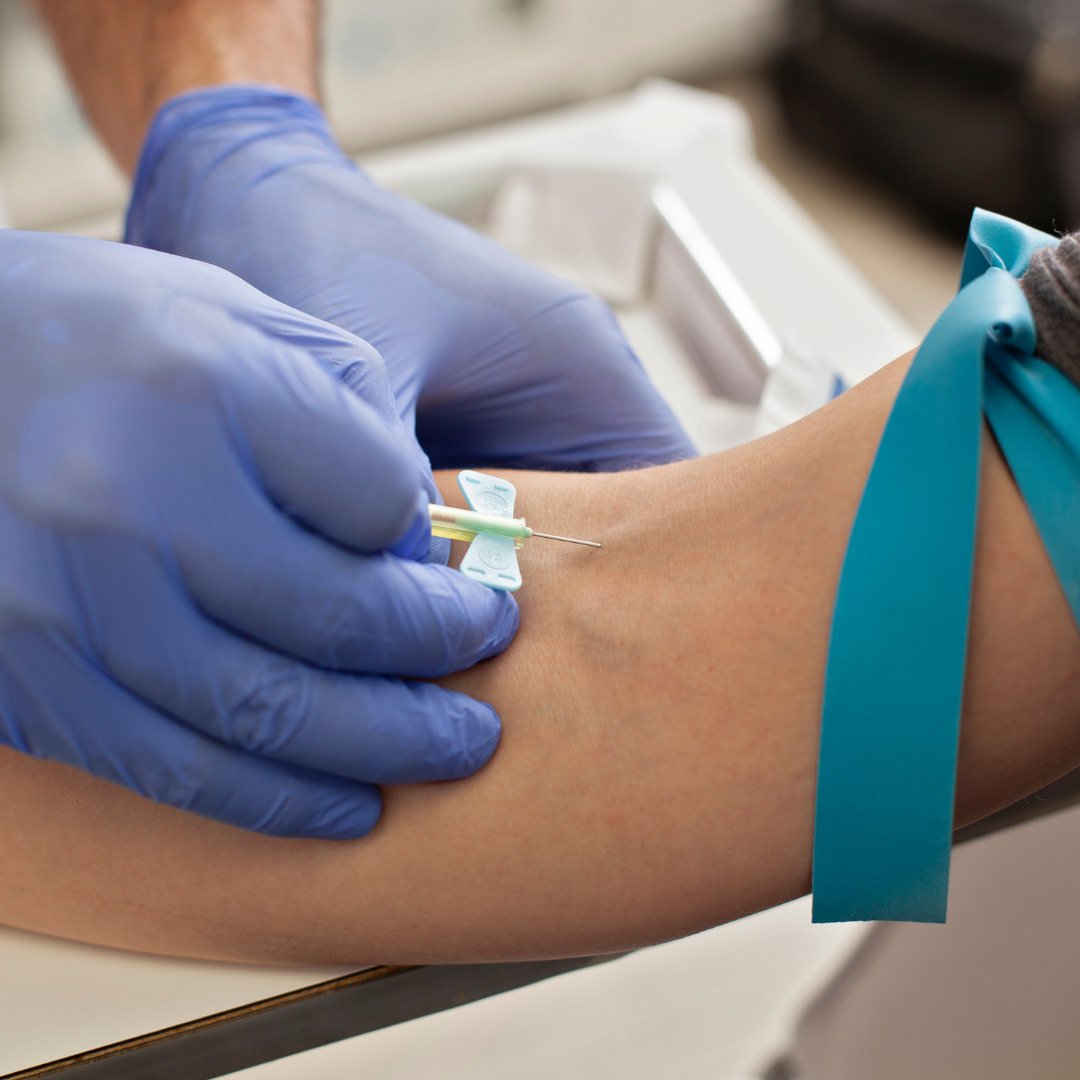
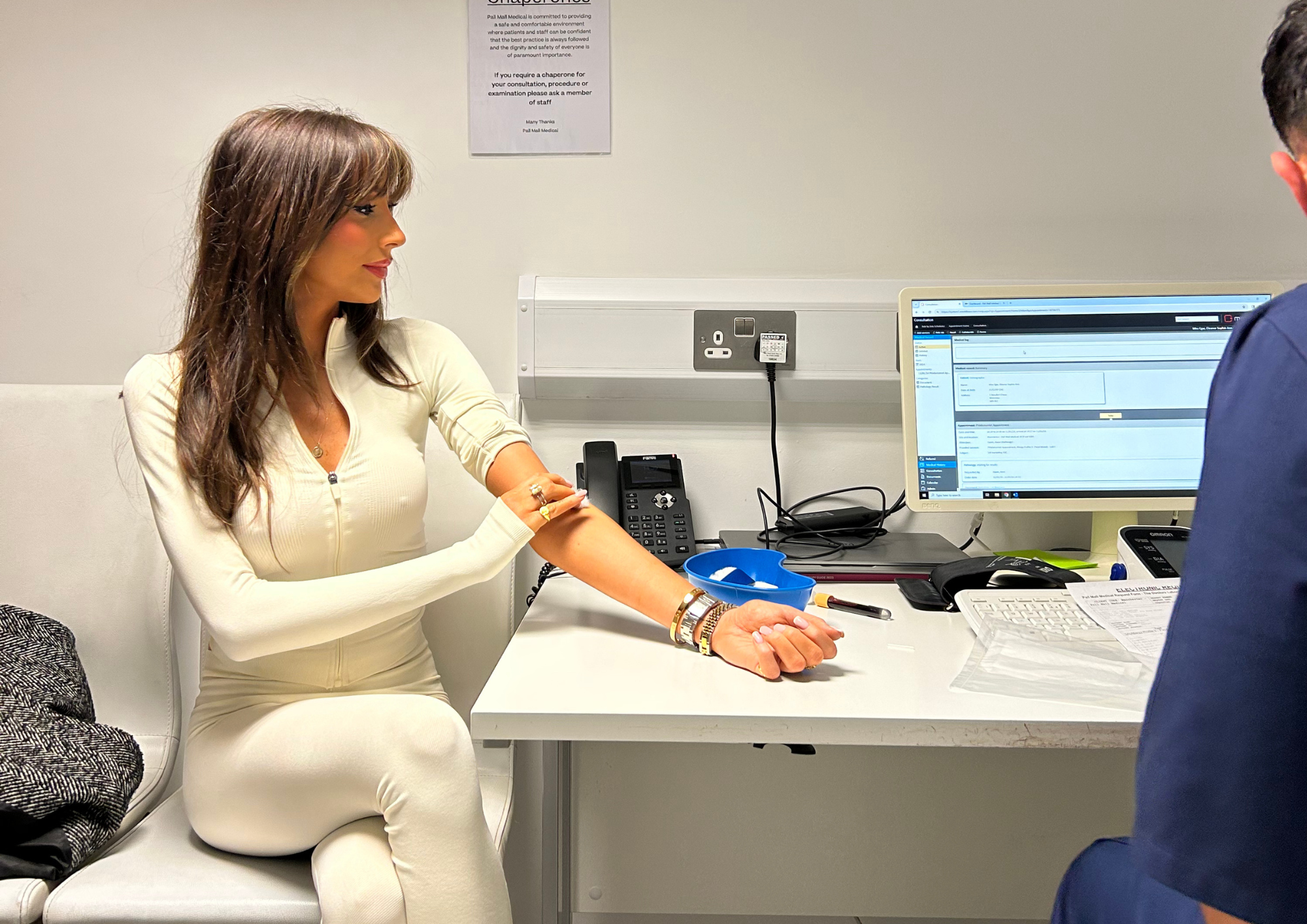
A cholesterol blood test is quick, straightforward and involves taking a small blood sample from a vein in your arm. The sample is analysed in a laboratory, with results typically available within a few days. 

Book your private cholesterol blood test today and gain a clearer understanding of your heart health with fast, reliable results reviewed by healthcare professionals.

Meet our GPs

Our North West clinics offer fast access to high quality private healthcare services with our qualified and experienced Private GP's on hand from Monday through Saturday. Get the best medical care without waiting weeks for an appointment.

Pall Mall Fallback Image

Dr Chun Tang

Medical Director | 20 years experience
GP Appointments
Manchester City Centre
Find out more
Pall Mall Fallback Image

Dr Simon Theobalds

General Practitioner
GP Appointments
Newton-le-Willows, Manchester City Centre
Find out more
Pall Mall Fallback Image

Dr Afrah Khattak

General Practitioner
GP Appointments
Find out more

Why Might You Need a Cholesterol Blood Test?

Your GP may recommend to assess your cardiovascular health or if you have risk factors for high cholesterol including:

  • Having a family history of high cholesterol or heart disease.

  • Are over the age of 40 and want to monitor your heart health.

  • Have high blood pressure, diabetes or obesity.

  • Smoke or have previously smoked.

  • Have been advised by your doctor to monitor your cholesterol levels.

  • Are taking cholesterol-lowering medication and need to check how well your treatment is working.

  • Want reassurance about your overall cardiovascular health as part of a routine health check.

  • You have a sedentary lifestyle.

Early detection of raised cholesterol levels allows you to make lifestyle changes or begin treatment where appropriate, helping to reduce your risk of future cardiovascular disease.

What happens if my cholesterol levels are high?

If your cholesterol levels are raised, your clinician may recommend:

  • Lifestyle changes, including diet and exercise advice.

  • Repeat monitoring.

  • Further cardiovascular risk assessment.

  • Medication such as statins where clinically appropriate.

High cholesterol rarely causes symptoms, so a blood test is the most reliable way to identify elevated cholesterol levels before they contribute to serious health conditions such as heart disease, heart attack or stroke. The results can help your clinician determine whether lifestyle changes, further monitoring or treatment may be beneficial.

Proud to deliver 5-star care to patients every year.

This is why our patients rate us Excellent on Trustpilot.

Frequently Asked Questions.

Do I need to fast before a cholesterol test?

Most cholesterol blood tests do not require fasting. Many modern lipid profile tests can be accurately performed after eating.

However, your clinician may recommend fasting in certain situations, particularly if triglyceride levels need to be assessed or if your cholesterol test is being performed alongside other blood tests that require fasting. You will be advised if any preparation is needed before your appointment.

How long do cholesterol blood test results take?

Cholesterol blood test results are usually available within a few working days. The exact timeframe can vary depending on the laboratory processing the sample and the tests included.

Once your results are available, your clinician can explain what they mean and advise whether lifestyle changes, monitoring or further assessment may be appropriate.

What is LDL cholesterol?

LDL cholesterol stands for low-density lipoprotein cholesterol and is often referred to as "bad cholesterol".

High levels of LDL cholesterol can contribute to the build-up of fatty deposits inside the arteries, a process known as atherosclerosis. Over time, this can increase the risk of cardiovascular conditions such as heart disease and stroke.

Keeping LDL cholesterol within an appropriate range is an important part of maintaining long-term heart health.

What is HDL cholesterol?

HDL cholesterol stands for high-density lipoprotein cholesterol and is often known as "good cholesterol".

HDL helps transport excess cholesterol away from the bloodstream and back to the liver, where it can be processed and removed from the body. Higher levels of HDL are generally associated with a healthier cholesterol balance, although your overall cardiovascular risk depends on your complete health profile.

Can high cholesterol cause symptoms?

No. High cholesterol usually does not cause noticeable symptoms, which is why it is often described as a "silent" risk factor.

Many people are unaware they have raised cholesterol levels until they have a blood test. Regular testing can help identify high cholesterol early, allowing you to make lifestyle changes or receive treatment where appropriate to reduce future cardiovascular risk.

How often should cholesterol be checked?

How often you should have a cholesterol blood test depends on your age, health, family history and any existing risk factors.

People with conditions such as diabetes, high blood pressure, heart disease or a history of raised cholesterol may require more frequent monitoring. Your healthcare professional can advise how often testing is appropriate for you.

Can lifestyle changes lower cholesterol?

Yes. Lifestyle changes can help improve cholesterol levels and support heart health.

Helpful changes may include:

  • Eating a balanced diet that is lower in saturated fats.

  • Increasing fibre intake through foods such as fruit, vegetables and whole grains.

  • Exercising regularly.

  • Maintaining a healthy weight.

  • Stopping smoking.

  • Limiting alcohol intake.

For some people, lifestyle changes alone may not be enough, and medication may be recommended depending on their overall cardiovascular risk.

Do I need a cholesterol test if I feel healthy?

Yes, you may still benefit from cholesterol testing even if you feel well. High cholesterol often has no symptoms, and many people are unaware that their levels are raised.

A cholesterol blood test can provide valuable information about your cardiovascular health and help identify potential risks before they contribute to serious health problems.

Can cholesterol be high even if I eat well?

Yes. While diet plays an important role in cholesterol levels, other factors can also influence your results.

High cholesterol can be affected by:

  • Genetics and family history.

  • Age.

  • Hormonal changes.

  • Medical conditions.

  • Physical activity levels.

  • Certain medications.

Some people may have high cholesterol despite following a healthy lifestyle, which is why blood testing is important.

Can medication affect cholesterol levels?

Yes. Some medications can affect cholesterol levels, either increasing or decreasing them.

If you take medication that may influence cholesterol, your clinician may consider this when interpreting your results. You should always inform your healthcare provider about any medicines or supplements you are taking.

If you are prescribed cholesterol-lowering medication, such as statins, regular blood tests may be recommended to monitor how well treatment is working.

Book your Test

A member of our team will be in touch with you to discuss your requirements. 

I agree to receive advice, offers and news by email and SMS in accordance with our privacy policy

Blood Testing Knowledge hub

All about heart disease
80% of heart disease cases are preventable, and if caught early, can be managed well by treatment and lifestyle changes. Read on to learn about the types, causes, and early signs of heart disease.
Pall Mall Fallback Image
Don't Ignore These Warning Signs: Unveiling Hidden Clues to Heart Problems

Discover the Vital Warning Signs of Heart Problems: Don't Ignore the Clues. Learn to Recognise the Hidden Symptoms & Protect Your Heart Health Today!

Pall Mall Fallback Image
All about heart disease

80% of heart disease cases are preventable, and if caught early, can be managed well by treatment and lifestyle changes. Read on to learn about the types, causes, and early signs of heart disease.

Pall Mall Fallback Image
Types of blood tests

Find a list of different types of blood tests, from routine checks to specialised health screenings. Book a blood test appointment with Pall Mall today.

Pall Mall Fallback Image
How much does a private blood test cost?

Find out how much a private blood test costs in the UK, the factors that can influence the price of a blood test, and how to book a blood test with Pall Mall.

Pall Mall Fallback Image
How a health screen could save your life

Discover the benefits of regular health screens for preventative health. Learn about Pall Mall Medical and how they can help detect early health risks for proactive well-being.