
Find out what to expect from your appointment, how to prepare and what questions you may want to ask your gynaecologist.
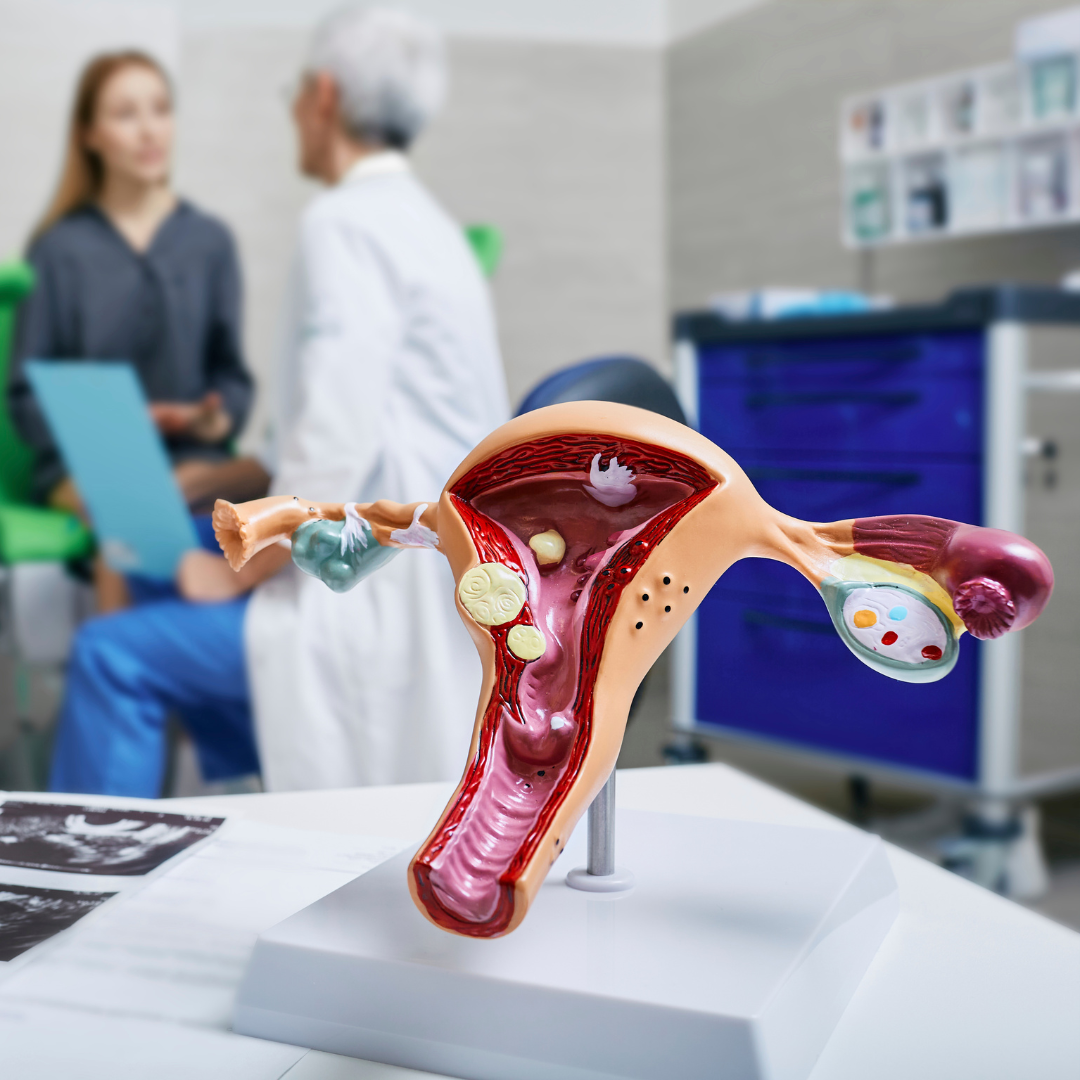
What to know before visiting a gynaecologist
Questions to ask your Gynaecologist.
Preparing a list of questions before your appointment can help you feel more informed and confident about your care. Depending on your circumstances, you may want to ask about contraception, family planning, STI testing, menstrual health, fertility, or any symptoms or concerns affecting your reproductive or sexual health. Don’t be afraid to raise anything that is worrying you or ask for clarification if something is unclear. Your appointment is an opportunity to understand your health and make informed decisions about your care.
Knowing what to expect before visiting a gynaecologist can make the experience feel more comfortable and straightforward. From discussing your symptoms and medical history to understanding any examinations or tests that may be recommended, being prepared can help you make the most of your appointment and feel more confident about your next steps.
If you’re considering a private gynaecology appointment, Pall Mall offers consultations with specialist gynaecologists without the need for an NHS referral and with no waiting list. Appointments are available from £250 at our Manchester clinic or private hospital in Newton-le-Willows, giving you access to specialist care at a time that suits you.

Need advice? We're here to help
A member of our team will be in touch with you to discuss your requirements.