To understand where delays can happen, it helps to look at the traditional NHS pathway:
Primary Care Visit: You schedule an appointment with your GP to discuss unexplained or concerning symptoms.
Clinical Assessment: Your GP evaluates your symptoms against national referral guidelines to see if they meet the threshold for an urgent referral.
Urgent Referral: If criteria are met, you are placed on the "2-week wait" pathway to see a hospital specialist.
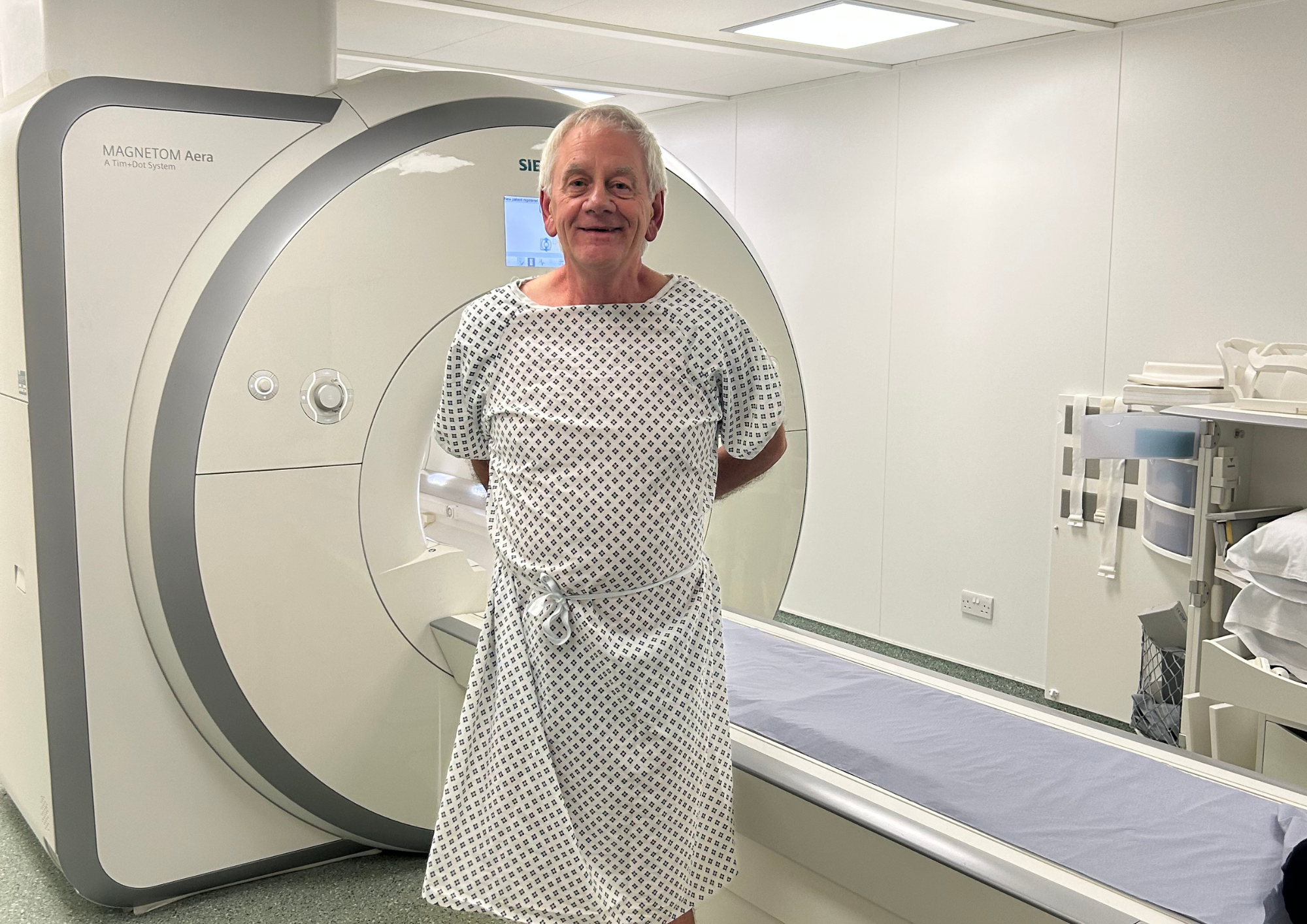
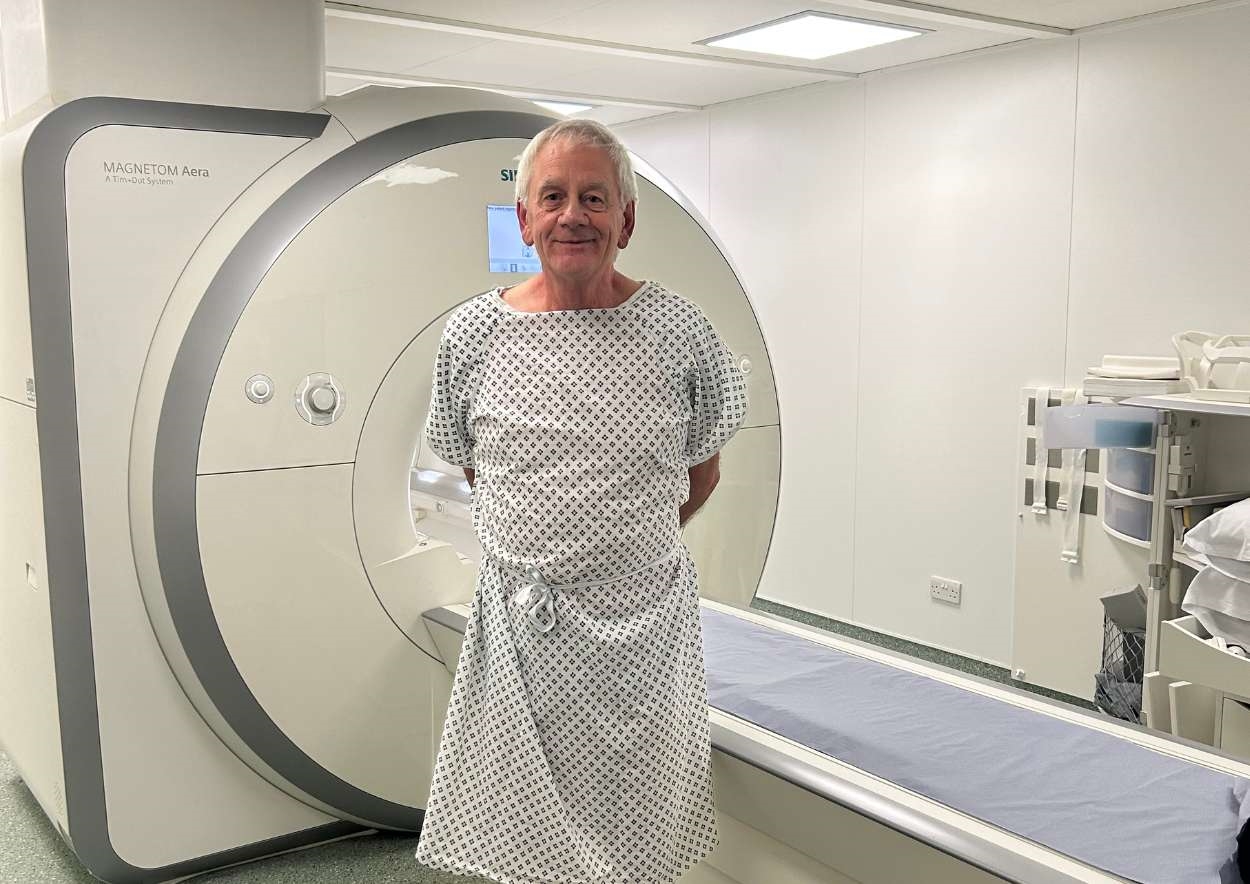
Testing and Imaging: You undergo targeted tests, such as blood work, endoscopies, biopsies, or imaging scans (CT or MRI).
Diagnosis or All-Clear: Under the NHS Faster Diagnosis Standard, the goal is to confirm or rule out cancer within 28 days of referral. [4]
Treatment Start: If cancer is diagnosed, national targets aim to begin treatment within 31 to 62 days of the initial referral.
Where is the sticking point?
For many patients, the primary sticking point occurs between Steps 1 and 3.
If your symptoms are non-specific—or if you don't neatly fit the strict national criteria for an urgent 2-week referral—getting that initial referral can take weeks or months. Furthermore, backlogs for NHS diagnostic equipment like MRI or CT scanners can extend the wait for crucial imaging even after a referral is made.
Data from June 2026 shows that the NHS waiting list consisted of approximately 6.15 million individual patients waiting for treatment, with around 2.48 million having waited over 18 weeks. [5]